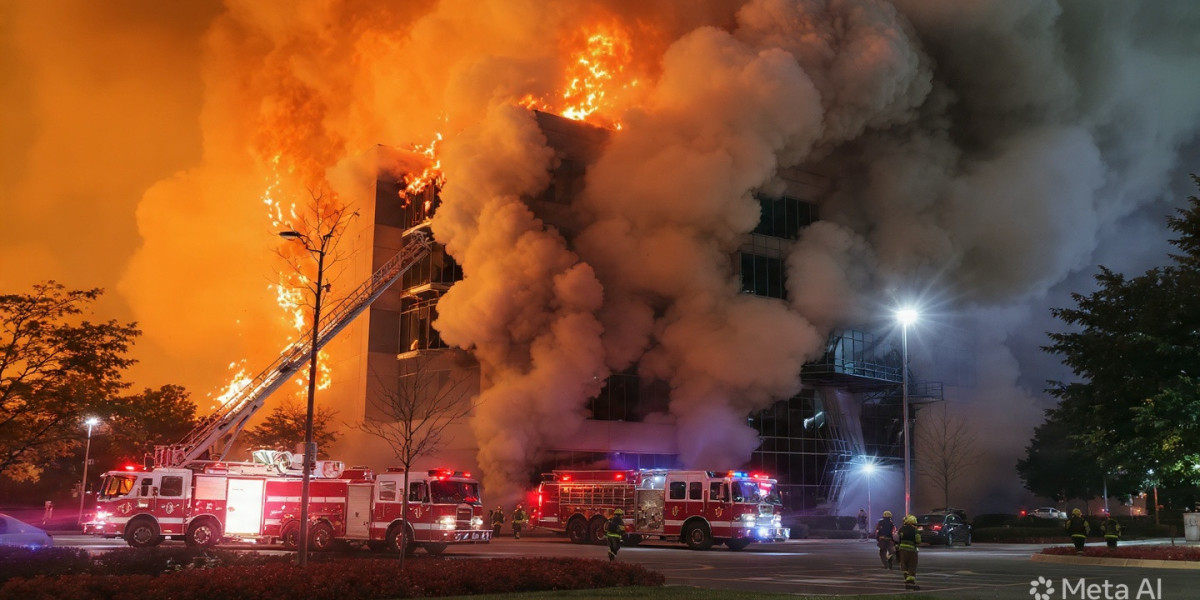

Fire safety is an essential part of responsible building design, construction and management. Commercial properties, residential developments, industrial facilities and public buildings all face different fire hazards. Identifying these risks early helps owners protect occupants, reduce property damage and maintain compliance with applicable regulations. Experienced Fire Risk Consultants help Australian project teams evaluate potential hazards and develop practical fire safety strategies suited to their buildings.
A fire risk assessment examines how a fire could start, how it might spread and what consequences it could create. It also considers the people who use the building, the available protection systems and the arrangements for emergency response.
For example, a manufacturing facility may contain combustible materials, electrical equipment and machinery that operates at high temperatures. An office building may have different concerns, including electrical distribution, escape routes and occupant awareness. Each property therefore needs an assessment based on its actual conditions.
2. Understanding Common Fire Hazards in Buildings
Fire hazards can develop from building equipment, materials, activities and maintenance conditions. Recognising these hazards is the first step towards effective risk management.
Common examples include:
Faulty electrical installations and overloaded circuits.
Poor storage of combustible materials.
Hot work activities, including welding and cutting.
Damaged fire doors and unprotected service openings.
Incorrect handling of flammable liquids.
Inadequate housekeeping and waste management.
Poor maintenance of fire detection equipment.
The likelihood and consequences of a fire depend on several factors. A small electrical fault in an area containing combustible packaging may create a different level of risk from the same fault in a clear, well-protected room.
Building operators should also consider how their activities change over time. New machinery, additional storage or alterations to room layouts can introduce hazards that were not present during the original assessment.
3. Assessing Fire Risks and Evaluating Potential Consequences
A structured assessment begins with collecting information about the building. This may include architectural drawings, occupancy details, fire safety plans, equipment schedules and previous inspection records.
The assessor then identifies potential ignition sources, combustible materials and conditions that could support fire development. Particular attention should be given to areas containing electrical equipment, heating systems, fuel storage and industrial processes.
Risk evaluation considers both the likelihood of an incident and its possible consequences. These consequences may include injuries, evacuation difficulties, structural damage, business interruption and environmental effects.
For example, a warehouse storing large quantities of packaging materials may have a significant combustible load. The assessment should examine storage arrangements, fire separation, detection coverage, sprinkler protection and access for emergency responders.
Findings should be recorded clearly. A useful report identifies each hazard, explains its potential impact and recommends suitable control measures. Recommendations should be practical, prioritised and supported by relevant technical information.
4. Developing Effective Fire Prevention and Protection Measures
Fire risk management involves prevention, early detection, protection and emergency preparedness. No single measure can address every hazard, so controls should work together.
Electrical inspections and suitable maintenance help reduce ignition risks. Safe storage procedures limit the exposure created by combustible materials. Hot work permits and supervision can reduce hazards associated with welding and other activities that produce sparks.
Fire protection systems provide additional safeguards. Depending on the building, these may include smoke detection, fire alarms, automatic sprinklers, fire extinguishers and smoke control arrangements.
Passive fire protection is equally important. Fire-rated walls, doors, floors and properly sealed service penetrations help limit the movement of fire and smoke.
For example, a commercial building may contain several tenants with different activities. Appropriate fire compartmentation can help prevent an incident in one tenancy from rapidly affecting neighbouring areas. The required measures must be established through the applicable building regulations and project-specific assessment.
5. Independent Inspections, Documentation and Ongoing Compliance
Fire safety arrangements should be checked regularly to confirm that installed systems and protective elements remain suitable. Independent inspections can help identify defects, incomplete installations and maintenance concerns.
Inspection activities may cover fire doors, passive fire protection, fire stopping, emergency exits and installed fire safety systems. The scope should be clearly defined according to the project requirements.
ISO/IEC 17020 provides an internationally recognised framework for organisations performing inspection activities. It addresses competence, impartiality and consistent inspection processes. An organisation's accreditation status should be verified against its actual accredited scope rather than assumed from a general certification claim.
A professional inspection report should identify the inspected items, assessment criteria, findings and any limitations. Clear records help owners decide what corrective action is necessary.
Owners should also review their fire safety arrangements when buildings are modified, occupancy changes or new equipment is installed. This ensures that the original assessment remains relevant to current conditions.
6. Conclusion
Effective fire risk management requires continuous attention to hazards, building conditions and operational responsibilities. Owners should identify risks early, implement suitable control measures and arrange appropriate inspections to confirm that protection systems remain effective.
Professional assessment also supports better decisions during construction and refurbishment. It helps project teams understand technical weaknesses before they become expensive problems or serious safety concerns.
Understanding ISO 17020 Third-Party Inspection Services can help organisations recognise the value of competent, impartial inspection arrangements. These services provide a structured approach to evaluating compliance and identifying defects. ISO 17020 Third-Party Inspection Services also support confidence in inspection results when the organisation, accreditation and inspection scope are properly verified.
FAQs
What is a fire risk assessment?
It is a structured process for identifying fire hazards, evaluating their potential consequences and recommending suitable control measures.
Who needs a fire risk assessment?
Building owners, operators and project teams may need assessments depending on the building type, activities, applicable regulations and project requirements.
What is the purpose of independent fire inspections?
They help identify installation defects, assess protective elements and provide documented findings about the condition of inspected systems.
How often should fire risks be reviewed?
Reviews should take place when significant changes occur and at intervals appropriate to the building, its activities and applicable requirements.







