
In the modern era of wearable technology, the wrist has become the new battleground for our attention. On one side, we have the feature-packed smartwatch, acting as a miniature smartphone. On the other, we have the minimalist screenless fitness tracker, a silent guardian focused purely on your biometrics.
The choice between a screenless fitness tracker vs. smartwatch is no longer just about features; it is about your philosophy regarding technology, focus, and health. While smartwatches dominate sales charts, a significant shift is occurring—users are feeling the fatigue of constant notifications and are seeking a more intentional way to track their health.
This guide will dissect the battle between a screenless fitness tracker vs. smartwatch, comparing them across battery life, accuracy, distraction levels, and style. By the end, you will have a clear picture of which device aligns with your daily routine.
Defining the Contenders
Before diving into the comparison, it is crucial to define the terms.
A smartwatch (like the Apple Watch or Samsung Galaxy Watch) is an extension of your phone. It features a vibrant touchscreen, allows you to answer calls, reply to texts, navigate with GPS maps, and run third-party apps.
A screenless fitness tracker (such as the FANY silicone series or classic trackers) is a dedicated health device. It typically features a small LED indicator or an ultra-basic display (like a digital readout) but lacks a full-touch interface. The core function is to collect step data, heart rate, sleep quality, and activity metrics without the visual noise of a GUI.
Here is the deep dive into how they compare.
1. Battery Life: The Marathon vs. The Sprint
This is often the decisive factor in the screenless fitness tracker vs. smartwatch debate.
Smartwatches are power-hungry beasts. With their high-resolution OLED screens and constant connectivity, they generally require a daily charge. If you use GPS tracking frequently or have an always-on display, you might be lucky to get 18 to 24 hours. This means you are often scheduling your life around charging your wrist device, and sleep tracking becomes a logistical challenge because you need to charge it while you are awake.
Screenless trackers, conversely, are the endurance athletes. Because they lack a power-draining screen, they can last anywhere from 5 to 14 days on a single charge. Some models even stretch to a month.
The Verdict: If you travel frequently, hate carrying chargers, or want to track your sleep without interruption, the screenless tracker wins this round in a landslide.
2. Distraction vs. Focus: The Battle for Your Attention
We live in an age of constant interruptions. Your phone already buzzes with emails, news alerts, and social media updates. Do you need that same distraction on your wrist?
A smartwatch actively invites you to look at it. It lights up with every notification, encouraging you to scroll, swipe, and check in. While this is convenient (you don’t need to pull out your phone), it is also a cognitive drain. Studies suggest that wrist notifications elicit the same dopamine responses as phone notifications, leading to a state of “technoference.”
A screenless fitness tracker is almost silent. It doesn’t have a screen to light up with messages. It vibrates briefly to tell you that you’ve hit your step goal or that your heart rate is elevated. This allows you to track your health without destroying your focus.
The Verdict: If you are looking to reduce screen time and practice mindfulness, the screenless fitness tracker vs. smartwatch comparison is a no-brainer. The tracker fosters a healthier relationship with technology by keeping health data functional rather than ornamental.
3. Fitness Accuracy and Data Depth
Here is where the nuance gets interesting. Many assume a smartwatch with built-in GPS is inherently better for fitness. This is not always true.
For the average user, the optical heart rate (HR) sensors on both devices are similar—they are both affected by skin tone and sweat. However, screenless trackers often have a slight edge in sleep tracking due to their long battery life. The sensor stays in contact with your skin for days on end, creating a continuous data stream that smartwatch users miss because they charge at night.
For step counting, both are accurate. For calorie burn, both are estimates. However, smartwatches come with built-in GPS. If you are a runner who wants to leave your phone at home and map your route precisely, a smartwatch is necessary. A screenless tracker often relies on “connected GPS” to map routes, which requires your phone to be nearby.
The Verdict: For metrics like sleep, resting heart rate, and daily activity, they are equal. For professional outdoor athletes who need route mapping without a phone, the smartwatch wins. For gym-goers and general wellness, the screenless tracker is more than sufficient.
4. Durability and Aesthetics
Smartwatches are expensive, large, and fragile. Their glass faces are prone to scratches and cracks. Screenless trackers are almost indestructible. With no glass to shatter, they are often IP68 or 5ATM waterproof rated, making them ideal for high-intensity CrossFit, swimming, and hard labor.
Aesthetically, the difference is subjective. A smartwatch looks like a piece of tech. A screenless tracker is designed to be worn and forgotten. Modern screenless trackers are moving away from the plastic “nub” look and moving toward sleek, jewelry-like designs.
This brings us to a key contender in the screenless fitness tracker vs. smartwatch market: the FANY Silicone Series.
Why the FANY Silicone Series is the Superior Choice
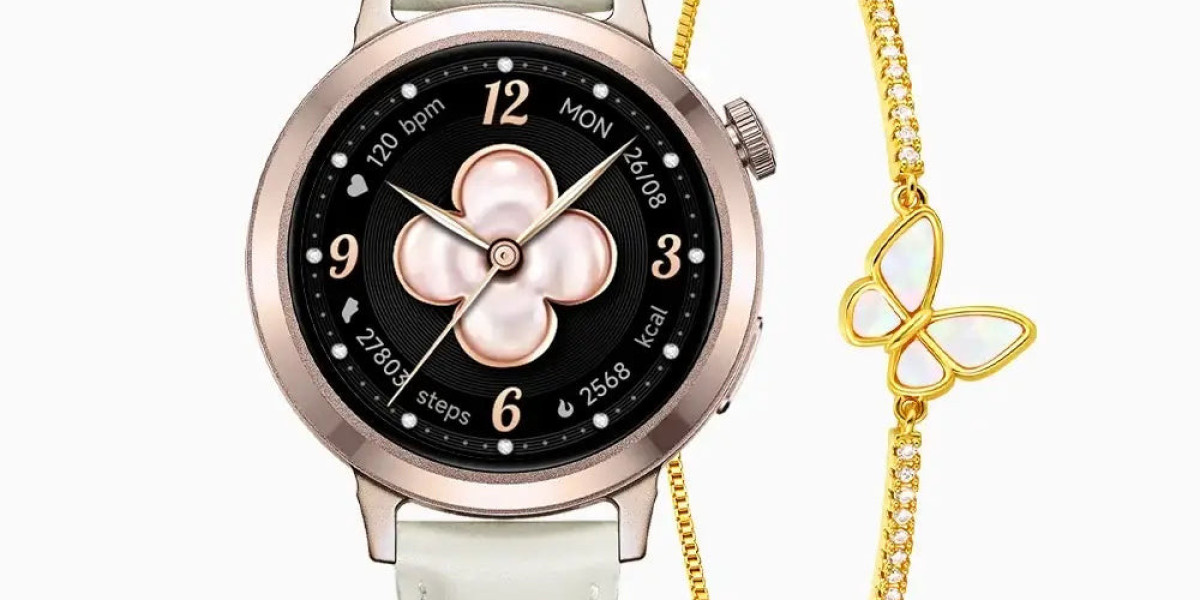
For those leaning toward the minimalist benefits of a screenless tracker, there is a problem with many standard models: they look like cheap plastic toys. The FANY Silicone Series Women’s Smartwatch bridges the gap perfectly.
While we are discussing screenless trackers, many users find themselves torn because they want “some” visibility (like time) but not full connectivity. The FANY Silicone series offers what we call a “hybrid minimal” experience—it focuses on health and style without the distracting features of a full smartwatch.
Here is why the FANY Silicone series is the perfect recommendation for this lifestyle:
- Style Meets Function: The FANY series uses soft, skin-friendly silicone straps that are comfortable for 24/7 wear. Unlike bulky rectangular smartwatches, the FANY design mimics the sleekness of classic jewelry, ensuring it complements a professional outfit or an evening dress.
- Disconnect to Reconnect: It focuses on what matters most—tracking steps, sleep, and heart rate—without waking you up with a flood of Twitter notifications. It reduces the anxiety of constant connectivity while still providing essential health feedback via a simple touch interface.
- Battery Longevity: Aligns with the “screenless” philosophy of less charging and more living, offering significantly better battery life than full-color smartwatches.
- Feminine Design: Available in elegant nude, pink, and metallic tones that are specifically designed for women’s wrists, avoiding the clunky, masculine design language of many competitors.
If you have decided that a screenless fitness tracker vs. smartwatch dilemma is really about “distraction vs. convenience,” the FANY Silicone series offers the perfect middle ground: the fitness tracking accuracy of a dedicated band with a style profile that outshines both standard trackers and techy smartwatches.
5. Price Point and Value
The financial argument is straightforward. A premium smartwatch can set you back anywhere from $400 to $800. A screenless fitness tracker, or a bare-bones band, typically costs between $30 and $150.
When comparing screenless fitness tracker vs. smartwatch, the “value” calculation depends on what you use. If you are an athlete needing GPS, the smartwatch price is justified. However, for 90% of the population who just want to monitor posture, sleep, and daily movement, spending hundreds of dollars on a smartwatch is massive overkill.
The FANY Silicone series delivers this essential data at a fraction of the price of a flagship smartwatch, making it an excellent entry point or a dedicated fitness tool without the financial guilt.
6. The Smartphone Dependence
Think about how you use your devices. A smartwatch tethers you to your phone—you need your phone for setup, for notifications, for downloading apps. A screenless tracker is significantly more independent. You set it up once, and it tracks your data locally. When you finally connect it to your phone (often every few days), it syncs the data in a batch.
This “batch syncing” nature of a screenless tracker promotes a healthier digital hygiene. You aren’t checking your wrist every five minutes; you are reviewing your day’s summary in the app in the morning or evening.
Final Verdict: Making the Choice
So, which is right for you?
Choose a Smartwatch if:
- You want to leave your phone in the car but still receive calls and texts.
- You need standalone GPS for runs without a phone.
- You want to install apps like Spotify or payment wallets.
- You don’t mind charging your watch daily.
Choose a Screenless Tracker (or Minimal Band) if:
- You hate being chained to your phone.
- You value sleep tracking more than reply capability.
- You want a device that doesn’t intrude on your meetings or dates.
- You prefer a lighter, more comfortable wearable that looks like an accessory, not a computer.
In the grand debate of screenless fitness tracker vs. smartwatch, the true winner is the one that helps you live a healthier life with less stress.
For those who value their time, focus, and style, the minimalist approach is increasingly the winning strategy. It doesn’t track your emails; it tracks your recovery. It doesn’t distract you from a sunset; it allows you to watch it without a glowing screen interrupting the view.
If you are ready to make the switch to a more intentional, health-focused, and stylish wearable, we highly recommend exploring the FANY Silicone Series Women’s Smartwatch. It captures the spirit of the screenless movement—focused, functional, and fashionable—ensuring you stay on top of your health goals while looking elegant every step of the way.