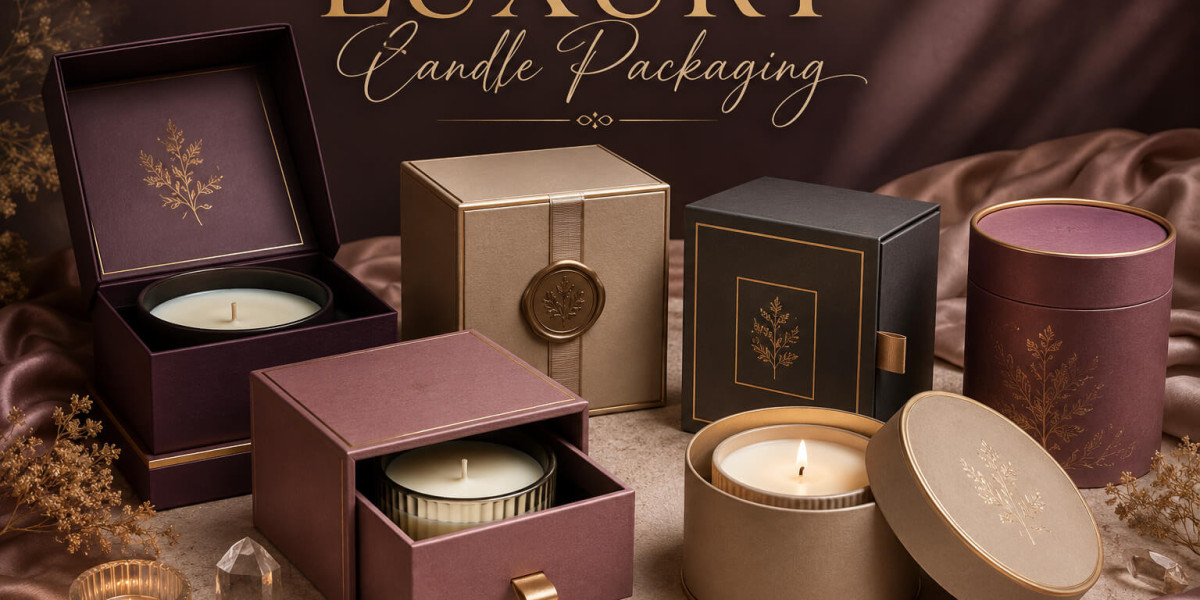

Luxury candle packaging earns its higher price through genuine material and construction differences, not just nicer-looking printing. A rigid two-piece box built from heavy paperboard, wrapped in a specialty finish and paired with a precisely fitted interior, costs meaningfully more to produce than a standard folding carton, and that cost difference shows up directly in the weight, texture, and structural solidity a customer notices the moment they pick up the box.
This guide covers what actually separates high-end candle packaging from standard packaging, the materials and construction methods involved, and the practical decisions that determine whether a luxury presentation genuinely matches the product inside.
Why Presentation Matters More for Candles Specifically
Candles occupy an unusual position among gift and home goods, the product itself is consumed slowly over weeks, but the purchase decision and gifting moment happen instantly, often based heavily on how the product looks and feels before it's ever lit. For higher priced candles in particular, packaging carries a disproportionate share of the responsibility for justifying that price, since the wax and fragrance inside can't be evaluated directly before purchase.
This matters even more given how frequently premium candles are purchased as gifts, where the unboxing moment itself becomes part of the experience being given, not just a step before reaching the actual product.
Material Choices That Define a Luxury Feel
Rigid Board Construction
Genuine luxury candle packaging typically relies on rigid board construction rather than folding cartons, built by wrapping heavy paperboard around a solid core. This gives the box real weight and structural resistance to crushing, a tactile quality customers register the instant they lift it, well before they've examined any printed detail.
Specialty Wrapping Materials
Rather than printing directly onto plain paperboard, many high-end candle boxes use a wrapped construction, textured paper, matte laminate, or fabric like coverings applied over the rigid core. These materials add genuine cost and require more precise application than standard printing, but they deliver a tactile richness that flat printed cartons simply can't replicate.
Interior Lining and Fitted Inserts
The inside of a luxury candle box deserves the same attention as the exterior. Velvet or suede style lining, precisely cut foam inserts shaped to the candle's specific vessel, and secure fitted compartments all contribute to a presentation that feels considered rather than generic, since the interior reveal is often the most anticipated moment in the entire unboxing sequence.
Structural Formats Common in High-End Candle Packaging
Two Piece Telescoping Boxes
A separate base and lid, with the lid sliding down over the base, creates a deliberate, satisfying opening motion that folding cartons can't match. This format also offers genuinely stronger, more even protection on all sides, an important consideration given how fragile glass candle vessels can be.
Magnetic Closure Boxes
A book style folding box secured with an embedded magnet combines an elegant opening experience with practical reusability, since the box can be closed and reopened cleanly without the wear a simple tuck flap develops over repeated use.
Tray and Sleeve Combinations
A precisely fitted tray secures the candle in place while an outer sleeve handles branding and presentation, offering a strong middle ground between full rigid construction and simpler folding formats, particularly useful for brands wanting an elevated feel without the full cost of rigid two piece boxes.
Finishing Techniques That Elevate the Presentation
Foil stamping applies metallic detail directly to a logo or design element, creating a reflective, tactile accent that flat ink printing can't achieve. Embossing and debossing press a design into the material itself, adding dimension without necessarily adding color, a technique that works particularly well on textured or matte surfaces.
Soft touch coatings create a smooth, velvety surface finish that feels distinctly different from standard gloss or matte printing, engaging a customer's sense of touch in a way that reinforces the box's overall quality before they've even opened it.
Spot gloss, applying a glossy finish only to specific design elements against an otherwise matte surface, creates visual contrast and draws attention to a logo or key detail without requiring dense color coverage across the entire box.
Matching Packaging Investment to Product Value
Luxury packaging only makes sense when it genuinely aligns with the candle's actual price point and positioning. Overinvesting in elaborate rigid construction for a mid priced candle inflates cost without a corresponding lift in what customers are willing to pay, while underinvesting in packaging for a genuinely premium candle can undercut the price point the brand is trying to command.
This alignment matters just as much moving in the other direction. A candle positioned and priced as a luxury item, but arriving in a simple folding carton, creates a disconnect that damages trust in the brand's overall positioning, since the packaging promises less than the product is meant to deliver.
Practical Considerations for Brands Investing in Luxury Candle Packaging
Weight tolerances need real attention, since heavier glass jar candles require packaging engineered specifically for that weight, not a generic luxury box template applied without adjustment. A structurally solid box that sags or weakens under a candle's actual weight undermines the entire investment.
Interior fit deserves as much design attention as the exterior. A stunning rigid box with a loosely fitted interior still risks the candle shifting and knocking against the packaging during shipping, potentially cracking the glass vessel despite the box's overall structural quality.
Requesting a physical sample before committing to a full production run matters more with luxury packaging than with simpler formats, since the tactile qualities central to a premium impression, weight, texture, closure feel, are extremely difficult to judge accurately from a digital rendering alone.
Common Mistakes That Undermine a Luxury Presentation
Choosing specialty finishes without confirming they suit the specific base material can create an uneven or inconsistent result, since not every coating or foil technique performs the same way across different paperboard grades or wrapping materials.
Skipping structural testing under realistic shipping conditions is a costly oversight for candle brands specifically, since a beautiful box that fails to protect a glass vessel during transit turns a luxury unboxing moment into a damaged product complaint.
Treating the interior as an afterthought once the exterior design is finalized often results in a mismatch, a premium exterior paired with a generic, poorly fitted interior that undercuts the overall impression the moment the lid comes off.
The Bottom Line
High-end candle packaging delivers real value through genuine material substance, precise construction, and finishing techniques that engage a customer's sense of touch as much as their sight, differences that justify the added cost when they're matched thoughtfully to a candle actually positioned at a premium price point. Getting this right requires attention to structural fit and interior design alongside the visible exterior finish, since a luxury presentation only succeeds when every part of the unboxing experience, not just the first glance, lives up to the promise the packaging makes.