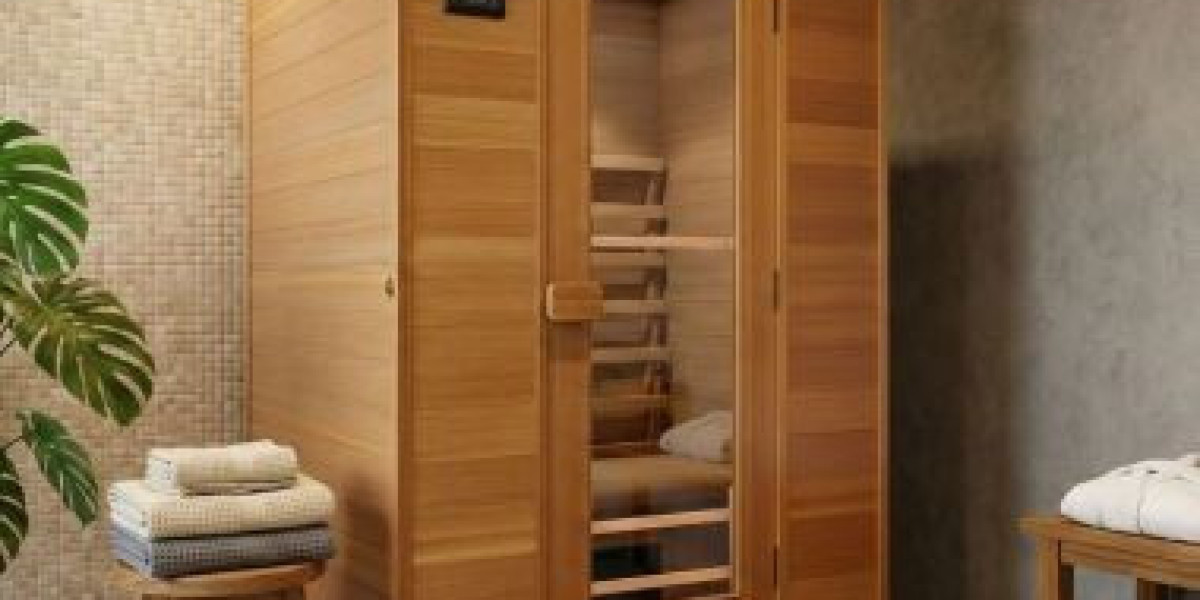

Choosing an infrared sauna involves more than comparing heating systems, cabin sizes, and additional features. The materials used in its construction also play an important role in determining how well the sauna performs over time. Among these materials, wood is particularly important because it forms the main structure of the cabin, influences its appearance, and contributes to the overall user experience. Different wood species have different characteristics, including density, moisture resistance, stability, and natural durability.
For homeowners exploring an IR Sauna UK solution, understanding these differences can make purchasing decisions easier. A sauna made with suitable timber can maintain its structural integrity, appearance, and comfort through years of regular use. On the other hand, choosing wood without considering its properties may lead to changes in appearance, surface wear, or difficulties maintaining the cabin.
From Canadian hemlock to cedar and spruce, each wood type offers distinct characteristics. Understanding how these materials behave in an indoor sauna environment helps buyers identify which construction best suits their home and long-term expectations.
Why Does Wood Selection Matter in Infrared Sauna Construction?
Wood is one of the most important materials in infrared sauna construction because it determines how the cabin responds to temperature changes, everyday use, and environmental conditions. Although infrared saunas generally operate differently from traditional steam saunas, their wooden interiors still experience repeated heating and cooling cycles.
The quality of timber can influence several aspects of sauna durability. These include resistance to warping, dimensional stability, surface condition, and the ability to retain an attractive finish over time.
Another important consideration is the natural structure of the wood. Some species have a relatively consistent grain pattern, while others contain knots, varying densities, or natural oils. These characteristics influence how the timber behaves during manufacturing and throughout its lifespan.
For anyone planning to Buy Infrared Sauna UK, looking beyond the external design and examining the materials used in the cabin can help identify a product built for lasting performance.
Canadian Hemlock: A Popular Choice for Sauna Durability
Canadian hemlock is widely used in infrared sauna construction because of its combination of strength, stability, and relatively uniform grain. Its natural appearance is generally light and understated, making it suitable for contemporary home interiors.
One of the main advantages of hemlock is its consistent structure. It generally contains fewer prominent knots than some other softwoods, creating a smoother and more uniform interior finish. This can contribute to a comfortable seating environment and an attractive cabin appearance.
Hemlock also offers useful dimensional stability when properly dried and manufactured. This means it can maintain its shape reasonably well when exposed to the normal temperature variations associated with sauna use.
Another benefit is its neutral appearance. Homeowners who prefer a simple, clean interior often appreciate the subtle colour and natural texture of this timber.
However, the durability of hemlock still depends on its grade, moisture content, processing, and installation. Quality construction is essential for achieving reliable long-term performance.
Cedar: Natural Properties and Long-Term Performance
Cedar is another recognised timber choice for sauna construction. It is appreciated for its distinctive aroma, attractive grain, and naturally occurring compounds that contribute to its resistance to certain forms of deterioration.
Its relatively low density can make cedar less prone to some forms of movement when compared with denser timber species, provided it has been properly dried and installed.
Cedar also offers a warm, reddish-brown appearance that creates a distinctive interior atmosphere. Its natural fragrance is another characteristic that attracts homeowners looking for a traditional wood-focused sauna experience.
From a durability perspective, cedar can perform well when maintained appropriately. Its natural properties make it a popular material for environments where temperature and moisture conditions vary.
Nevertheless, not all cedar products are identical. The species, timber grade, finishing process, and manufacturing quality all influence the final result. Buyers should therefore examine the actual wood specifications rather than choosing a sauna based solely on the cedar label.
Spruce: Understanding Its Strengths and Limitations
Spruce is commonly used in various types of wooden structures, including sauna cabins. It offers a relatively light appearance and can provide a practical construction material when properly selected and processed.
One of its advantages is availability. Spruce is used widely in timber manufacturing, making it a familiar option for different cabin designs.
Its relatively lightweight structure can also make it suitable for prefabricated sauna panels. When the wood is correctly dried and assembled, it can provide a stable structure for regular residential use.
However, spruce can contain more visible knots and resin pockets depending on the particular species and grade. These natural characteristics can influence the appearance and finishing requirements of the interior.
Its performance also depends heavily on moisture management and manufacturing standards. Poorly dried spruce may experience greater dimensional changes over time.
For homeowners comparing an Infrared Sauna London UK model with other available options, checking the timber grade and construction details is more useful than assuming that every spruce cabin offers the same level of durability.
How Wood Density Influences Structural Strength
Wood density is another important factor when evaluating sauna construction. Different species have different cellular structures, which influence their weight, hardness, and mechanical properties.
Generally, denser timber can provide greater resistance to certain forms of surface damage. However, density alone does not determine whether a particular wood is suitable for sauna construction.
A suitable balance between strength, dimensional stability, and thermal behaviour is important.
For example, a very dense timber may offer good resistance to physical wear but could respond differently to repeated temperature changes than a lighter, properly dried species.
The intended application also matters. Structural panels, benches, backrests, and decorative interior sections may have different material requirements.
A well-designed infrared sauna uses timber appropriate to each component rather than relying on one characteristic to determine overall quality.
Moisture Content and Timber Stability
Although infrared saunas do not generally create the same high-humidity environment as traditional steam rooms, moisture remains an important consideration.
Wood naturally absorbs and releases moisture depending on surrounding environmental conditions. This process can cause expansion and contraction, particularly when the timber is exposed to changing humidity levels.
If wood contains excessive moisture during manufacturing, it may become more vulnerable to dimensional changes after installation. This can affect panel alignment, joints, and the appearance of the interior.
Proper kiln drying and controlled timber storage help reduce these issues. Manufacturers should select wood with an appropriate moisture content before producing sauna components.
Homeowners should also consider where the sauna will be installed. A poorly ventilated room or an area with persistent dampness may affect the condition of wooden materials over time.
A carefully selected timber combined with suitable installation conditions provides a stronger foundation for long-term durability.
How Wood Finishing Affects Sauna Longevity
The finishing process is another important aspect of wooden sauna construction. While the natural appearance of timber is attractive, the way it is prepared and finished can influence how well its surface performs during everyday use.
Sanding helps create smooth surfaces, particularly on seating areas and interior panels. Proper finishing also supports a consistent appearance and helps manufacturers achieve accurate panel fitting.
However, sauna interiors require careful material selection. Conventional paints, varnishes, and chemical coatings may not be appropriate for surfaces exposed to elevated temperatures.
Manufacturers should use materials specifically suitable for the intended sauna application and follow relevant product recommendations.
Regular cleaning also helps preserve the original appearance of wooden interiors. Using suitable cleaning methods and avoiding excessive water can help prevent unnecessary surface deterioration.
A well-finished sauna should combine visual appeal with practical maintenance requirements.
Comparing Different Wood Types for Infrared Sauna Buyers
When comparing timber species, it is useful to consider their individual characteristics rather than focusing on appearance alone.
Canadian hemlock is valued for its relatively uniform grain, smooth finish, and stability. Cedar is appreciated for its natural aroma, distinctive colour, and naturally occurring protective compounds. Spruce offers a lighter appearance and can provide practical performance when properly selected and manufactured.
The most suitable choice depends on the manufacturer's construction standards, the intended use, and the homeowner's preferences.
Other considerations include the thickness of the panels, the quality of joints, the construction of the seating areas, and the consistency of the timber used throughout the cabin.
Buyers should also ask whether the wood has been properly dried and whether any adhesives or finishes used in construction are appropriate for infrared sauna temperatures.
These details provide a more complete understanding of product quality than the wood species alone.
Maintenance Practices That Help Preserve Wooden Sauna Interiors
Even high-quality timber benefits from appropriate maintenance. A simple care routine can help preserve its appearance and structural condition.
After each session, allowing the cabin to cool and ventilate helps remove accumulated warmth and residual moisture. Leaving the door open for a short period, when appropriate, can support air circulation.
Interior surfaces should be cleaned using manufacturer-approved products. Harsh chemicals and excessive water should be avoided because they may affect the natural finish of the wood.
Benches and frequently touched surfaces should be inspected periodically for signs of wear. Small changes in surface condition can be addressed before they become more noticeable.
The external environment also deserves attention. Maintaining a reasonably stable indoor temperature and avoiding persistently damp installation areas can help protect wooden components.
These simple practices support the long-term condition of the cabin without requiring complicated maintenance procedures.
What Should Buyers Check Before Purchasing an Infrared Sauna?
Understanding timber specifications is an important part of evaluating an infrared sauna, but buyers should consider the complete construction.
Start by checking the wood species used in the walls, benches, flooring, and other interior components. Some manufacturers use different materials for separate parts of the cabin.
Next, examine the quality of the panels and joints. Well-fitted components contribute to a stable structure and a consistent interior appearance.
It is also worth asking about the timber drying process, interior finishing materials, and recommended maintenance routine.
Heating technology, ventilation, electrical requirements, cabin dimensions, and warranty coverage should also form part of the purchasing decision.
For homeowners looking to Buy Infrared Sauna UK, comparing these practical specifications can help identify a model that offers a suitable balance of construction quality, comfort, and long-term value.
Health Mate offers infrared sauna solutions for homeowners considering the benefits of having a dedicated sauna space at home. Exploring available models and their construction details can help buyers make a more informed choice.
Conclusion
The type of wood used in an infrared sauna can significantly influence its appearance, structural stability, maintenance requirements, and overall durability. Canadian hemlock offers a smooth, consistent finish and useful dimensional stability, while cedar provides a distinctive aroma and natural resistance properties. Spruce can also be a practical construction material when appropriately selected, dried, and manufactured.
However, the species alone does not determine how long a sauna will last. Timber quality, moisture content, manufacturing standards, finishing techniques, and installation conditions all contribute to long-term performance.
For homeowners comparing an IR Sauna UK option, understanding these factors makes it easier to evaluate different products beyond their appearance. Choosing a well-constructed cabin with suitable timber and following the recommended maintenance routine can help preserve its comfort, functionality, and natural beauty for years.
Frequently Asked Questions
1. Which Wood Type Is Best for an Infrared Sauna?
Canadian hemlock, cedar, and spruce are commonly used in sauna construction. Canadian hemlock is appreciated for its smooth grain and stability, cedar for its aroma and natural properties, and spruce for its lightweight structure. The best choice depends on construction quality and personal preferences.
2. Does Canadian Hemlock Make a Durable Sauna?
Yes, Canadian hemlock can provide excellent performance in infrared sauna construction when properly dried, processed, and installed. Its relatively uniform grain and dimensional stability make it a popular option for interior panels and seating components.
3. Is Cedar Better Than Hemlock for Sauna Construction?
Both materials offer useful characteristics. Cedar is valued for its natural fragrance and distinctive appearance, while hemlock is appreciated for its smooth texture and consistent grain. The better option depends on the desired interior style and the manufacturer's construction standards.
4. Can Wood Warp Inside an Infrared Sauna?
Wood can expand and contract in response to changes in temperature and humidity. Poorly dried timber and unsuitable installation conditions may increase the likelihood of warping. Proper timber preparation and controlled indoor conditions help maintain stability.
5. Why Is Moisture Content Important When Choosing Sauna Wood?
Moisture content influences how timber responds to environmental changes. Properly dried wood is generally more stable and less likely to experience significant dimensional changes after installation. This helps maintain the alignment and appearance of sauna components.
6. Does Wood Density Affect Infrared Sauna Durability?
Yes, wood density influences characteristics such as hardness, weight, and resistance to physical wear. However, density should not be considered independently. Grain structure, drying quality, timber grade, and manufacturing techniques are equally important.
7. How Can I Maintain Wooden Sauna Panels?
Allow the cabin to ventilate after use, clean surfaces with manufacturer-approved products, and avoid excessive water or harsh chemicals. Regularly inspecting benches and interior panels can also help maintain their condition.
8. Is Spruce Suitable for Infrared Sauna Construction?
Yes, properly selected and dried spruce can be used in infrared sauna construction. Its lightweight structure and natural appearance make it a practical option, although timber grade and manufacturing quality should always be considered.
9. How Long Can a Wooden Infrared Sauna Last?
The lifespan of a wooden infrared sauna depends on timber quality, construction standards, heating components, installation conditions, and maintenance. A well-manufactured cabin that receives appropriate care can provide years of regular home use.
10. What Should I Consider Before Buying an Infrared Sauna in the UK?
Consider the wood species, panel quality, cabin dimensions, heating system, ventilation, electrical requirements, warranty, and maintenance recommendations. Comparing these features helps you select a sauna that suits your available space and long-term expectations.