
Businesses need visual content that explains their services, presents their identity and gives audiences a clear reason to pay attention. A planned combination of video, film, animation and digital visuals can make communication more engaging across websites, presentations and social platforms. Businesses looking for a creative production partner can explore the services offered by zaini media dubai. A connected creative approach starts with the message, not the equipment. Before production begins, a team should understand the business, its audience and the action viewers may take after watching. This helps determine whether the project needs a corporate film, promotional video, product demonstration, animated explainer or a combination of formats.
When every element follows the same communication goal, the final content feels consistent. The visuals, voice, pacing and design support one clear story instead of competing for attention. This is especially useful for businesses that need to explain several services or communicate with different audience groups.
Build the Project Around Audience Needs
Strong media production begins with research. A business should identify who needs the information, what those viewers already know and which questions remain unanswered. A company introducing a technical service may need to explain its process in simple steps. A brand launching a new product may need to demonstrate its features and show how customers can use it.
A useful creative brief records the objective, audience, main message, deliverables and approval process. It should also identify facts that need checking, including product specifications and service claims. A documented brief gives stakeholders a shared reference when reviewing creative decisions, schedules and deliverables throughout production work.
Use Video to Present Real Business Experiences
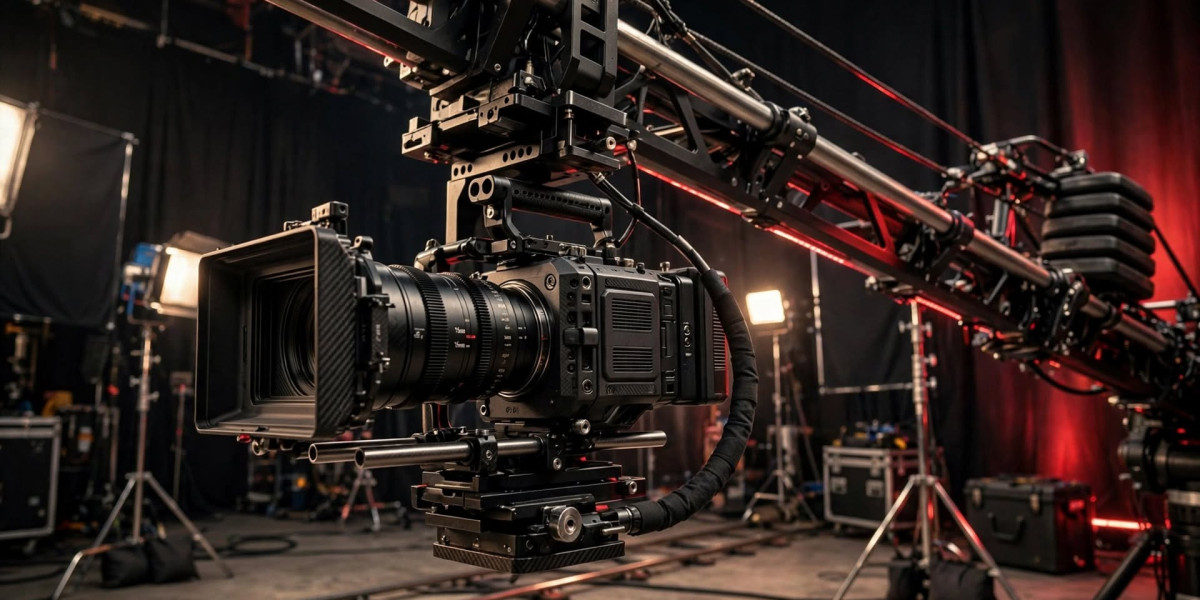
Live-action video allows organisations to show people, places, products and working processes. A corporate film can introduce the company and its team, while a promotional video can focus on a particular service or campaign. Event coverage can preserve presentations and important moments, and product videos can demonstrate how an item works.
Authenticity is important in each format. Interviews should allow people to speak naturally, and workplace footage should represent genuine activities. Businesses should avoid unsupported claims or staged scenes that create an inaccurate impression. When customer testimonials are included, the statements should be genuine and used with permission.
Make Complex Ideas Clear Through Animation
Not every subject can be explained effectively with filmed footage. Internal product components, abstract processes, proposed designs and technical systems may be difficult to capture with a camera. Animation can turn these subjects into visual explanations that audiences can follow.
Two-dimensional animation is useful for motion graphics, diagrams, icons and step-by-step explainers. Three-dimensional animation can show products from different angles, reveal internal structures or present architectural spaces before they are built. The right format depends on the information and the audience, rather than on visual trends alone.
Reviewing the storyboard before detailed production helps confirm that each scene communicates the intended idea. Technical models and product details should also be checked by someone familiar with the subject.
Maintain Quality From Planning to Delivery
A clear production process supports both creative quality and project control. For a business working with zaini media dubai, a clear production process supports creative quality and project control. Discovery and planning establish the objective. Pre-production develops the script, storyboard, schedule, locations and shot list. Production captures the required footage, while post-production brings together editing, colour correction, sound design, titles and visual effects.
Animation may involve concept development, modelling, movement, rendering and compositing, with review points between stages. Before work begins, businesses should agree on timelines, formats, revision rounds, usage rights and approval responsibilities.
Prepare Content for Different Digital Platforms
A production can often support several communication needs when distribution is considered early. A longer corporate film may introduce a company on its website, while shorter edits can highlight individual services on social media. Product footage may be adapted for an online store, a presentation or a paid campaign.
Businesses should prepare suitable versions for different placements. This may include horizontal video for websites, vertical edits for mobile platforms and shorter clips for advertising. Keeping source files organised also makes it easier to prepare updated versions when services, products or brand information change.
Conclusion
Effective media production combines a clear business message with thoughtful storytelling, suitable technology and careful quality control. Video can show real people and experiences, while animation can explain details that are difficult to film. Businesses should choose formats according to audience needs, provide accurate project information and plan distribution before production starts. A coordinated creative partner can help connect these elements, and animation video production services can add useful visual explanations when a subject needs more than live footage. The second use of animation video production services also reflects the value of planned 2D and 3D animation in making complex ideas easier to understand. The goal is content that informs viewers, represents the business honestly and remains useful across relevant platforms.
FAQs
1. What services can a media production company provide?
Services may include corporate video production, promotional films, event coverage, product videos, post-production, motion graphics, 2D animation and 3D animation. The exact range depends on the provider and project requirements.
2. How should a business choose a video format?
The format should match the message and audience. A corporate film can introduce an organisation, a product video can demonstrate features, and an explainer can simplify a process or service.
3. When is animation better than live-action video?
Animation is useful when a subject is abstract, too small to film, hidden inside a product or not yet physically available. Live-action is often better for showing real people, places and activities.
4. Why is a storyboard important?
A storyboard maps the planned scenes before production. It helps the client and creative team review the message, sequence and visual direction before filming or animation work becomes extensive.
5. Can one production be adapted for multiple platforms?
Yes. A project can be edited into different lengths and aspect ratios for websites, social media, presentations and events. Each version should be adapted to its viewing context.