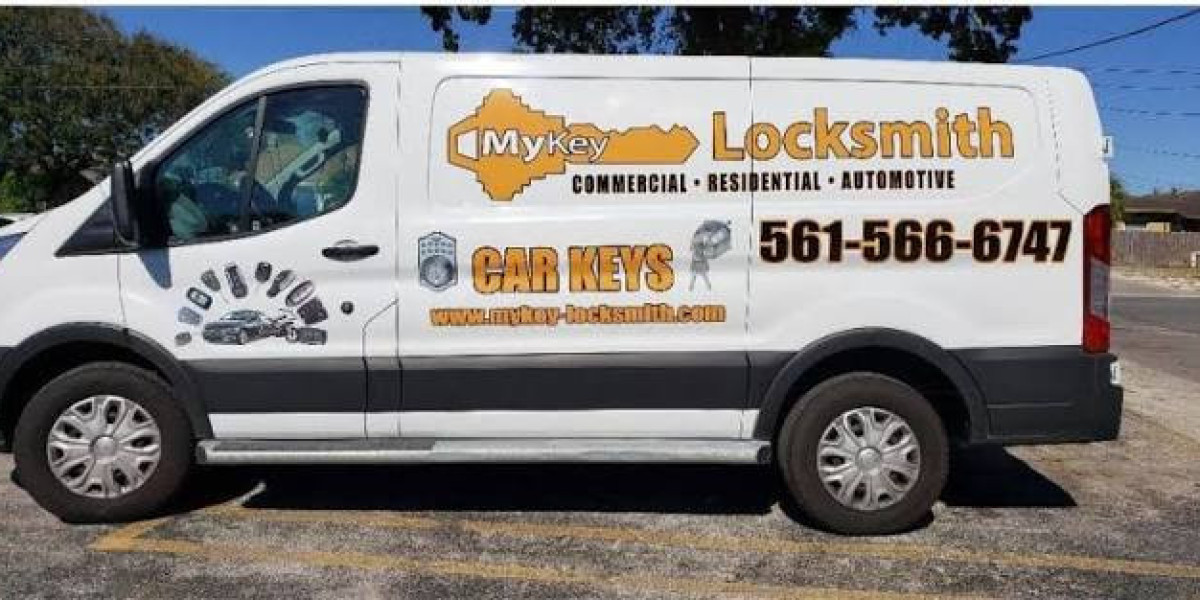

Car keys rarely vanish while your vehicle sits neatly in your own driveway. More often, they disappear at the end of a late shift, lock inside the trunk at a trailhead, or snap in the ignition just as rain starts falling. In situations like those, hiring a mobile locksmith saves you from arranging a tow truck, paying dealership markup, and losing half your week waiting for replacement parts.
Instead of forcing you to bring a locked door or immobilized car to a storefront, a mobile specialist brings key-cutting machines, diagnostic programmers, and commercial-grade hardware directly to your curb. Knowing what these vans carry and how on-site service works makes it much easier to get back inside—and back on the road—without unnecessary expense.
Inside a Fully Equipped Service Van
Modern security hardware relies on far more than simple brass tumblers, which means a capable mobile locksmith operates like a compact workshop on wheels. Rather than running back and forth to a shop for parts, an experienced technician arrives prepared to handle most residential, commercial, and automotive problems in a single visit:
Precision key-cutting equipment: High-accuracy machines cut standard house keys, high-security dimple keys, and laser-cut automotive blades right on the spot.
Automotive programming diagnostics: Specialized tablets communicate with a vehicle's onboard computer to pair transponder chips, proximity smart keys, and push-to-start fobs even when all original keys are lost.
Non-destructive entry tools: Long-reach rods, air wedges, lishi picks, and tension tools allow skilled technicians to unlock doors cleanly without scratching paintwork or bending weatherstripping.
Stocked replacement hardware: Common deadbolts, mortise cylinders, keypad locks, and commercial exit devices ride on board so broken mechanisms can be replaced immediately.
Automotive, Home, and Business Scenarios Where On-Site Help Shines
Because mobility removes the hassle of transporting heavy doors or stranded vehicles, on-site technicians solve several everyday problems faster than traditional storefronts:
All-keys-lost vehicle emergencies: Dealerships typically require proof of ownership in person plus towing to their service bay, followed by days of waiting for a pre-cut key. An automotive technician comes directly to your parking spot, decodes the lock, cuts a fresh blade, and programs the immobilizer the same day.
Post-move or tenant-turnover rekeying: When you take possession of a new house, rental unit, or retail space, you have no way of knowing how many copies of the old keys still circulate. A technician can rekey every exterior door in one appointment so previous keys stop working immediately.
Jammed deadbolts and broken ignitions: Weather changes, settling door frames, and worn wafers cause locks to bind suddenly. On-site repair or cylinder rebuilding restores smooth operation before a sticky lock leaves you stranded outside.
Smart lock installation and troubleshooting: Electronic deadbolts offer convenient keyless codes, yet improper alignment during installation drains batteries fast and prevents the bolt from throwing fully. A mobile specialist ensures the strike plate and door geometry fit cleanly.
What to Ask Before Dispatching a Technician
Fast arrival matters during an emergency, though a brief conversation before you book protects you from surprise bills or sloppy workmanship. Keep a few straightforward questions in mind when calling for service:
How is pricing calculated? Ask for an estimated total that accounts for the service call, labor, and any replacement hardware or fob programming. While complex damage can alter final costs slightly, trustworthy businesses explain their rate structure upfront.
Do you service my specific lock or vehicle model? High-security residential cylinders and newer encrypted car fobs require specific blanks and software. Confirming compatibility over the phone prevents wasted trips.
Will you attempt non-destructive entry first? Standard residential deadbolts and car doors can almost always be opened without drilling. If a technician immediately insists on destroying a basic lock without inspecting it first, look elsewhere.
What identification do you require? Legitimate professionals verify that you own or live at the property—or hold registration for the vehicle—before unlocking anything.
Simple Ways to Stay Ahead of Lock Emergencies
A little preparation turns a potential crisis into a minor inconvenience. Start by storing the contact details of a vetted mobile locksmith in your phone before you ever face a locked door, so you never have to gamble on the first search result while stressed.
Pair that habit with two practical backups: keep a spare house key with someone you trust rather than hiding it near your porch, and replace sluggish key-fob batteries as soon as unlock range starts shrinking. When unexpected lock trouble still happens, having a reliable on-site specialist ready to roll directly to your location keeps both your schedule and your security intact.