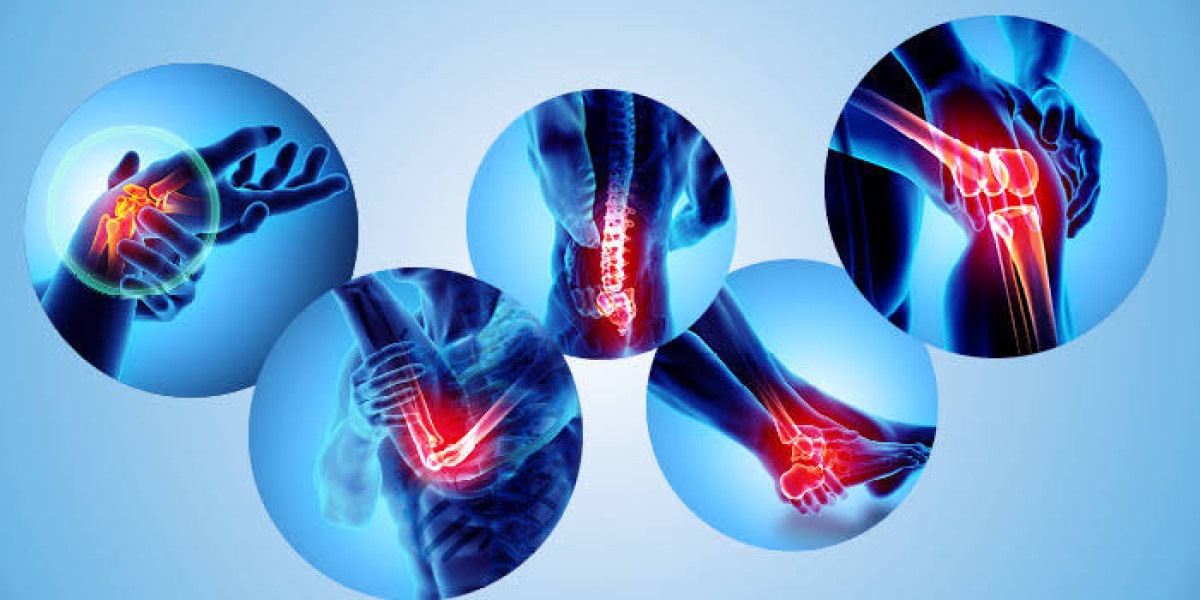

Pain is the body's natural warning system. It alerts us when something may be wrong and encourages us to protect an injured area. However, not all pain is the same. Acute pain and chronic pain differ in their duration, causes, and effects on daily life. Understanding these differences can help you recognise when medical attention is needed and choose the right treatment approach.
What Is Acute Pain?
Acute pain usually begins suddenly and is often linked to an injury, illness, surgery, or inflammation. It serves as a warning signal that the body needs attention.
For example, pain from a sprained ankle, a cut, a dental procedure, or a muscle strain is generally considered acute.
Common characteristics of acute pain include:
- Starts suddenly after an injury or medical condition.
- Usually lasts for a short period.
- Often improves as the underlying problem heals.
- May be sharp, intense, or localised.
- Can be accompanied by swelling, tenderness, or inflammation.
Acute pain generally decreases with appropriate treatment and recovery. However, severe or unexplained pain should never be ignored.
What Is Chronic Pain?
Chronic pain is pain that continues or repeatedly occurs for more than three months. Unlike acute pain, it may persist even after the original injury has healed. In some cases, changes in the nervous system can make the body more sensitive to pain signals.
Common examples include chronic back pain, arthritis-related pain, migraine, neuropathic pain, and persistent neck discomfort.
Common characteristics of chronic pain include:
- Continues for months or longer.
- May occur constantly or come and go.
- Can affect sleep, mobility, mood, and concentration.
- May be associated with nerve damage, inflammation, or spinal conditions.
- Can interfere with everyday activities and quality of life.
Chronic pain often requires a comprehensive treatment plan rather than temporary symptom relief.
Key Differences Between Acute and Chronic Pain
| Acute Pain | Chronic Pain |
|---|---|
| Usually lasts a short time | Persists or recurs for over three months |
| Often follows an injury or illness | May continue after the initial problem has healed |
| Acts as an immediate warning signal | May involve changes in pain processing |
| Often improves with healing | May require long-term management |
| Usually has a clear starting point | Can have several contributing factors |
How Are They Treated?
Treatment depends on the underlying cause, severity, and individual health needs.
Acute pain may be managed with appropriate medication, rest, ice or heat when suitable, and treatment of the underlying injury or condition.
Chronic pain may require a combination of approaches, including:
Medication: To manage inflammation, nerve-related pain, or other symptoms.
Physiotherapy: To improve strength, flexibility, posture, and movement.
Nerve blocks and injections: Considered for selected conditions when clinically appropriate.
Lifestyle changes: Regular physical activity, healthy sleep habits, and stress management.
Specialist care: To identify contributing conditions and develop an individualised treatment plan.
When Should You Consult a Specialist?
Do not ignore pain that persists, repeatedly returns, or affects your daily activities. Seek medical evaluation if pain is accompanied by progressive weakness, unexplained numbness, or difficulty walking. Sudden severe pain with chest discomfort, breathing difficulty, or new stroke symptoms requires emergency medical attention.
Get the Right Guidance for Pain Management
Understanding whether your pain is acute or chronic is an important step towards effective care. At Neurology and Pain Management Clinic (NPMC), Dr. Gautam Arora, Neurologist in Delhi, focuses on evaluating neurological conditions and pain-related concerns to help patients explore suitable treatment options.
Early assessment can help identify the cause of pain and support better long-term management.







