
The fast food industry is becoming increasingly competitive as restaurants, takeaway services, and food delivery businesses introduce new ways to attract customers. While delicious meals and reliable service remain essential, product presentation also influences how consumers perceive a food brand.
Modern customers expect convenient handling, appealing designs, and food that arrives in good condition. These expectations encourage restaurants to focus on every stage of the customer experience, from ordering to delivery.
Creative branding, practical designs, and thoughtful presentation can help food businesses establish recognizable identities. By combining visual appeal with functionality, restaurants can improve customer satisfaction while strengthening their position in a competitive market.
Why Food Presentation Matters for Modern Restaurants
Food presentation influences customer expectations before a meal is enjoyed.
Whether customers purchase food from a restaurant counter or order through an online platform, appearance can shape their initial impression.
Professional presentation communicates attention to detail and helps customers recognize familiar brands.
For example, a premium burger restaurant may prefer minimalist designs, while a family-friendly takeaway business might use colorful graphics.
However, attractive presentation should always complement food quality and efficient service.
When businesses consistently deliver positive experiences, customers may feel more confident returning and recommending the restaurant to others.
How Food Boxes Support Brand Recognition
A consistent visual identity is important for restaurants seeking long-term customer recognition.
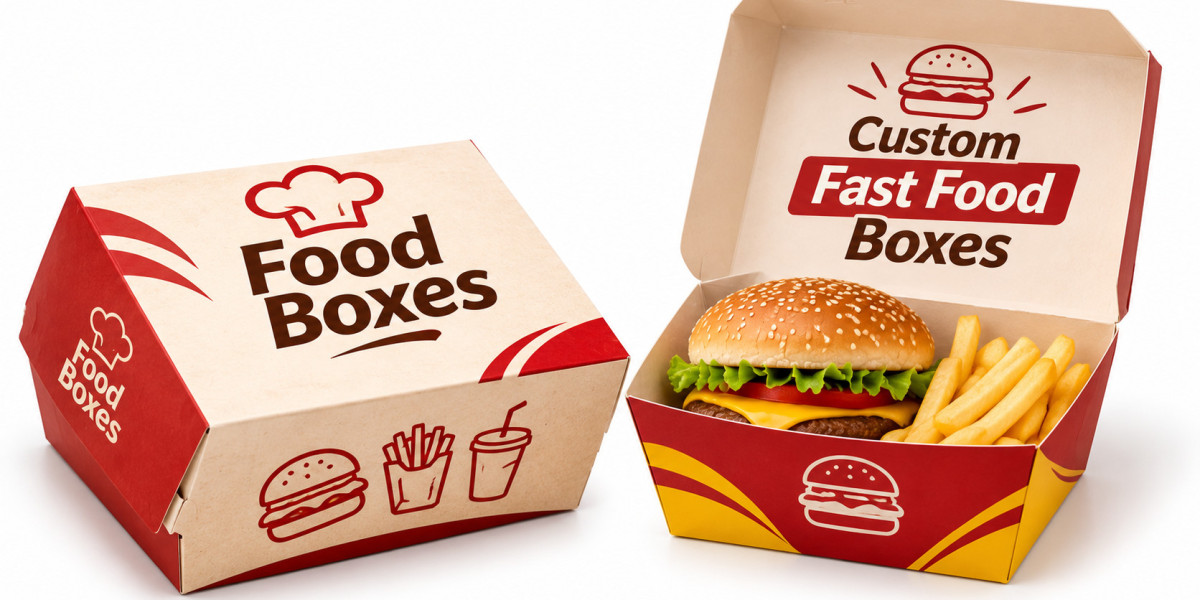
Businesses evaluating Food Boxes can consider how different designs, colors, and printed elements reflect their overall brand personality.
For example, a casual dining business might use warm colors and simple illustrations that complement its menu.
A restaurant specializing in healthier meals may prefer natural tones and clean typography.
These visual choices can connect physical orders with website designs, restaurant signage, and promotional campaigns.
Consistent branding helps customers identify products more easily and strengthens familiarity across different purchasing channels.
How Custom Fast Food Boxes Improve Customer Experiences
Fast food businesses often serve customers who prioritize convenience and efficient service.
Restaurants exploring Custom Fast Food Boxes can develop recognizable designs that complement their menus and customer preferences.
For example, a burger chain might introduce distinctive graphics for different meal combinations, while a snack retailer could use playful illustrations.
Clear branding can make takeaway orders more recognizable and create a consistent appearance across multiple locations.
Businesses should also consider product dimensions, handling requirements, and assembly efficiency.
The most effective solutions combine practical features with designs that accurately represent the restaurant's identity.
Creating Positive Impressions Through Thoughtful Packaging
Thoughtful packaging plays an important role in preserving food quality and making takeaway orders more convenient. Businesses should consider food-contact-safe materials, secure closures, suitable dimensions, and practical handling features when preparing meals for transportation. Hot foods, chilled items, and products containing sauces may require different protective properties. Grease resistance, moisture management, and temperature suitability can affect overall performance. Attractive presentation can create a professional impression, but functionality should remain the priority. Restaurants should verify material specifications and test designs under realistic delivery conditions. Combining effective protection with convenient handling helps maintain food quality and supports customer satisfaction.
Choosing Suitable Sizes for Different Menu Items
Different food products require different amounts of space and structural support.
A burger may need a compact container, while a complete meal with side dishes requires a larger arrangement.
Restaurants should measure finished products before selecting suitable dimensions.
Oversized containers may allow unnecessary movement, while smaller designs can compress delicate foods.
Businesses offering multiple meal combinations should consider standardized sizes that simplify order preparation.
Accurate dimensions can also reduce unnecessary material use and improve storage efficiency.
Testing samples with actual menu items helps identify practical options.
Using Creative Designs to Strengthen Brand Appeal
Creative design helps restaurants communicate their personality and attract customer attention.
Colors, illustrations, typography, and logos can create distinctive visual identities that customers remember.
A youthful fast food brand may prefer energetic graphics, while a premium restaurant could use understated colors.
Businesses should ensure that important messages remain readable.
Excessive artwork can distract customers and make information difficult to understand.
A balanced visual approach supports recognition without sacrificing clarity.
Consistent design across takeaway orders, digital promotions, and physical restaurants creates a more unified brand experience.
Improving Convenience for Takeaway Customers
Convenience is an important factor influencing modern food purchasing decisions.
Customers appreciate meals that are easy to carry, open, and enjoy.
Restaurants should evaluate how their products perform during transportation and whether customers can handle them comfortably.
Secure closures are especially useful for orders containing multiple items.
Businesses should also consider how quickly employees can prepare orders during busy periods.
Practical designs can reduce preparation delays and improve service efficiency.
When food businesses prioritize convenience, customers can enjoy smoother experiences from collection to consumption.
Supporting Food Delivery and Online Ordering
Online ordering has created additional opportunities and responsibilities for restaurants.
Customers expect accurate orders, reasonable delivery times, and food that arrives in suitable condition.
Businesses should evaluate transportation distances, handling procedures, and the types of meals they offer.
Delivery partners can also benefit from standardized order preparation methods.
Clear labeling helps employees identify orders and reduces confusion during dispatch.
Restaurants should regularly review delivery feedback to identify recurring problems.
Reliable fulfillment processes contribute to customer confidence and support repeat purchases.
Creating Memorable Experiences Through Seasonal Promotions
Seasonal campaigns provide opportunities for restaurants to introduce creative designs and special menu collections.
Holidays, festivals, company events, and restaurant anniversaries can inspire limited-edition presentations.
For example, a takeaway business might introduce festive colors during a holiday promotion or special artwork for a new burger launch.
These activities can generate excitement among existing customers.
However, businesses should plan promotional quantities carefully to avoid unnecessary inventory.
Maintaining consistent branding helps customers recognize the restaurant even when seasonal designs change.
Thoughtful campaigns can strengthen engagement and encourage customers to explore new offerings.
Considering Sustainability and Waste Reduction
Environmental considerations are influencing how restaurants manage their operations.
Businesses can explore responsible material sourcing, suitable product sizing, and opportunities to reduce unnecessary waste.
However, environmental improvements should not compromise food safety or protection.
Some materials may have recycling limitations because of coatings, adhesives, or food contamination.
Restaurants should verify supplier information before making environmental claims.
Reducing avoidable material use and improving inventory planning can also contribute to responsible operations.
A practical approach balances environmental considerations with food quality and customer convenience.
Managing Costs While Maintaining Quality
Fast food businesses must carefully manage expenses while maintaining consistent standards.
Material quality, printing complexity, order quantities, and supplier reliability can influence total costs.
Restaurants should compare quotations and request samples before placing large orders.
Bulk purchasing may reduce unit prices but can create storage challenges when demand is uncertain.
Businesses should prioritize features that improve usability, safety, and recognition.
Simple designs can communicate professionalism without requiring excessive decorative elements.
Careful planning allows restaurants to maintain attractive presentation while protecting their operating budgets.
Building Customer Loyalty Through Consistent Service
Customer loyalty depends on repeated positive experiences.
Attractive presentation may encourage initial interest, but taste, freshness, accurate orders, and reliable service influence future purchases.
Restaurants should collect customer feedback and respond to concerns professionally.
Consistent visual branding can reinforce familiarity, particularly when customers order through different channels.
Businesses should also maintain transparent communication about ingredients, menu changes, and delivery expectations.
When recognizable presentation is supported by dependable quality, customers may develop stronger confidence in the brand.
Conclusion
Creative food presentation helps restaurants and takeaway businesses improve customer experiences and strengthen brand identity.
Recognizable designs, practical sizes, dependable materials, and convenient handling features all contribute to successful food service operations.
However, visual appeal should always complement product quality, food safety, and efficient service.
By understanding customer expectations and maintaining consistent branding, businesses can improve recognition, encourage repeat purchases, and develop lasting relationships in competitive food markets.






