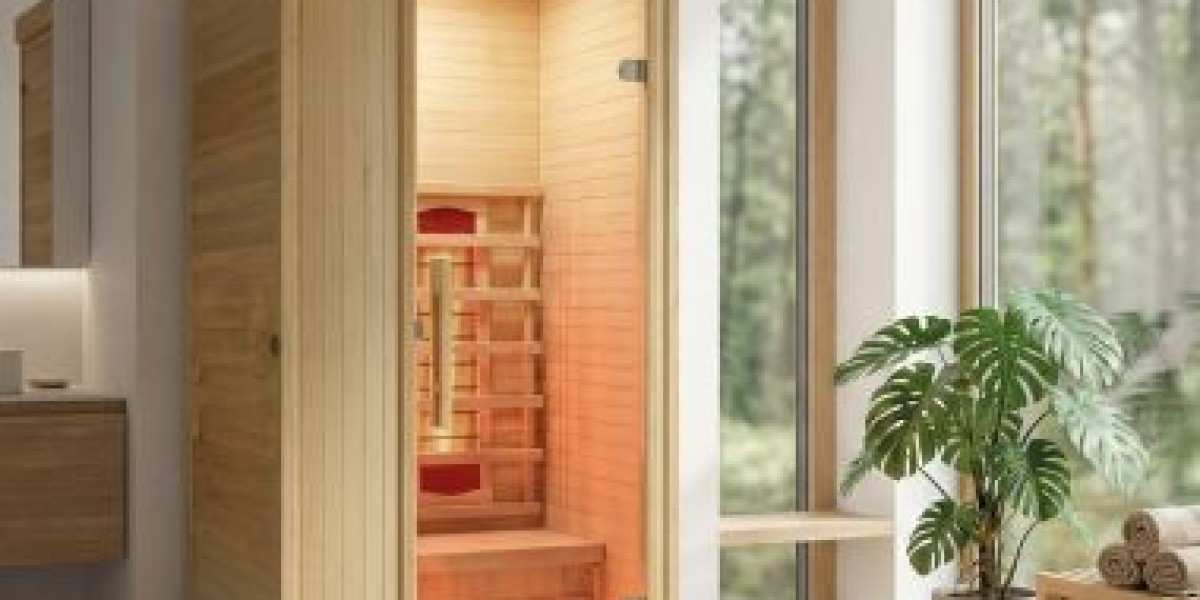

Choosing an infrared sauna involves more than considering its heating technology, design, or available features. The materials used in its construction also play an important role in determining how long it will last. Among these materials, wood is particularly important because it influences the sauna's structural strength, appearance, comfort, and ability to maintain its condition over years of regular use.
For homeowners considering an infrared sauna, understanding different wood types can make the purchasing decision easier. Not all timber responds to heat, IR Sauna UK moisture, and changes in indoor conditions in the same way. Some varieties offer excellent dimensional stability, while others are valued for their attractive grain, natural resistance to deterioration, or lightweight structure.
When researching an IR Sauna UK option, buyers should therefore look beyond the external finish and consider the quality of the timber used throughout the cabin. The right wood selection can contribute to a more reliable structure, a comfortable interior, and a sauna that continues to look appealing with appropriate care.
Why Is Wood Selection Important for Infrared Sauna Durability?
Wood is one of the main structural materials in many infrared sauna cabins. It forms the walls, seating areas, supporting frames, and sometimes the flooring and decorative details. Because these components are exposed to repeated heating cycles, their material properties influence the sauna's long-term performance.
Temperature changes can cause timber to expand and contract. If the selected wood is poorly suited to the environment or has not been properly dried and prepared, repeated movement may contribute to gaps, warping, or changes in the appearance of the panels.
A suitable timber should offer a combination of dimensional stability, structural strength, and an appropriate surface finish. It should also be comfortable to touch when the sauna is operating.
Wood quality matters in another way: it affects maintenance requirements. Well-selected and properly processed timber is generally easier to keep clean and attractive than material with inconsistent grain, excessive knots, or an unsuitable finish.
For anyone planning to Buy Infrared Sauna UK, understanding these factors helps distinguish a well-constructed cabin from one selected mainly for its appearance.
Which Wood Types Are Commonly Used in Infrared Saunas?
Different wood species offer different characteristics. Manufacturers select materials according to their construction requirements, design preferences, availability, and intended price range.
Hemlock Wood
Hemlock is a popular choice for sauna construction because of its relatively consistent grain and smooth appearance. It is generally light in colour, creating a clean and understated interior.
Its relatively uniform texture can make it suitable for wall panels, seating components, and other interior surfaces. Properly dried and manufactured hemlock can offer good dimensional stability, helping the cabin maintain a neat appearance during regular heating cycles.
Another attractive feature is its understated natural aroma, which may appeal to people who prefer a neutral-smelling sauna interior.
However, the durability of hemlock still depends on its grade, moisture content, processing, and overall construction quality. The species alone does not guarantee a long-lasting cabin.
Cedar Wood
Cedar is recognised for its distinctive appearance, natural fragrance, and useful properties in heated environments. Its attractive grain and warm reddish tones can give a sauna a traditional, premium feel.
Certain cedar varieties contain natural compounds that help them resist decay and insect activity. This can make cedar an appealing option for particular sauna applications.
Cedar is also relatively lightweight, which can be useful when designing cabin panels and interior fittings. Its natural character makes it popular among buyers who value both functionality and appearance.
When comparing an Infrared Sauna London UK model, it is worth checking which cedar species is being used and whether the timber is responsibly sourced and properly prepared.
Spruce Wood
Spruce is another timber associated with sauna construction, particularly in traditional designs. It generally has a pale appearance and a relatively straight grain.
Its availability and practical working characteristics make it a common choice for certain cabin structures. However, spruce quality can vary depending on the growing conditions, timber grade, and manufacturing process.
Well-selected spruce can provide a suitable structural material, but buyers should examine how it has been treated, dried, and assembled before making a decision.
How Does Moisture Content Affect Wood Durability?
One of the most important factors influencing timber performance is its moisture content. Wood naturally absorbs and releases moisture from the surrounding environment. This process can cause it to expand or contract.
In an infrared sauna, the cabin experiences repeated temperature changes. Although infrared saunas generally operate differently from traditional steam saunas, the timber still needs to cope with variations in its surrounding conditions.
If wood contains excessive moisture during manufacturing, it may shrink as it dries. This can affect the alignment of panels, joints, and other components.
Properly kiln-dried timber is often preferred because controlled drying helps manufacturers achieve a more predictable moisture level. Consistent preparation can reduce unwanted movement and contribute to a more stable cabin.
Buyers should consider asking manufacturers about timber drying methods and moisture-control standards. These details can reveal more about construction quality than the wood's appearance alone.
Does Wood Density Influence Sauna Longevity?
Wood density can affect how timber responds to everyday use. Denser varieties may offer greater resistance to certain types of surface damage, while lighter woods can make cabin components easier to handle and assemble.
However, higher density does not automatically mean better sauna performance.
The most appropriate timber depends on where it is being used. Seating surfaces, for example, should be smooth, comfortable, and capable of supporting regular use. Structural panels should maintain their shape and fit securely within the cabin.
A balanced approach is therefore more useful than choosing wood based on density alone. Manufacturers should consider the specific requirements of each component when selecting and preparing timber.
The quality of joints, fasteners, panel thickness, and assembly also contributes significantly to the overall durability of an infrared sauna.
How Does Wood Grain and Timber Quality Affect Construction?
The appearance of wood grain can tell buyers something about the material, although visual inspection cannot reveal every aspect of timber quality.
Straight, relatively consistent grain is often desirable for sauna panels because it can contribute to a uniform finish. Excessive knots, cracks, or inconsistent sections may affect appearance and, depending on their location and severity, structural performance.
Manufacturers generally select and grade timber before using it in cabin construction. This process helps ensure that the material is appropriate for its intended purpose.
A smooth finish is particularly important for benches, backrests, and other surfaces that come into direct contact with the body. Rough edges and poorly finished joints can reduce comfort and make routine cleaning more difficult.
When evaluating an IR Sauna UK product, buyers should examine the internal surfaces as carefully as the exterior. A visually attractive outer cabinet does not necessarily indicate that every internal component has been manufactured to the same standard.
Can Wood Selection Influence the Comfort of an Infrared Sauna?
Wood affects more than structural durability. It also contributes to the overall experience of using an infrared sauna.
Different timber varieties have distinct colours, textures, and natural aromas. These characteristics influence the atmosphere inside the cabin and can help create a relaxing environment.
Smoothly finished timber is generally preferable for seating because it feels comfortable against the skin. The material should also be suitable for the temperatures reached during normal sauna operation.
Wood can also influence the cabin's visual warmth. Light-coloured hemlock or spruce may create a bright, minimal appearance, while cedar can introduce richer tones and a more traditional aesthetic.
When choosing an Infrared Sauna London UK, buyers should consider how the interior material complements the intended location and the overall design of their home.
What Construction Features Should Buyers Check Before Purchasing?
Even high-quality wood cannot compensate for poor manufacturing. Durability depends on how the timber is selected, prepared, assembled, and maintained.
Before purchasing, consider the following construction features:
- Timber grade: Ask whether the wood has been selected for consistent quality and its intended application.
- Drying process: Check whether the timber has undergone controlled drying to achieve a suitable moisture level.
- Panel construction: Look for accurately fitted panels and consistent joints.
- Surface finishing: Interior benches and contact surfaces should be smooth and free from rough edges.
- Structural support: Examine the strength and stability of seating, frames, and connecting components.
- Manufacturer information: Review product specifications, warranty coverage, and available maintenance guidance.
These details provide a clearer understanding of what supports the sauna's expected lifespan.
It is also sensible to consider the heating system, electrical components, ventilation arrangements, and replacement-part availability. A durable sauna is the result of several well-designed elements working together.
How Can Proper Maintenance Extend the Life of Sauna Wood?
Even carefully selected timber needs appropriate maintenance. Regular care helps preserve its appearance and reduces the likelihood of avoidable deterioration.
After each session, allow the cabin to cool and dry according to the manufacturer's instructions. Good ventilation helps prevent moisture from remaining trapped inside the structure.
Clean benches and interior surfaces with a soft cloth and suitable cleaning products. Avoid excessive water, abrasive materials, and harsh chemicals unless the manufacturer specifically recommends them.
It is also useful to inspect the cabin periodically. Look for changes in panel alignment, loose fittings, rough surfaces, or unusual discolouration. Addressing minor maintenance requirements early can help preserve the overall condition of the sauna.
Protecting the sauna from unsuitable environmental conditions is equally important. If it is installed in a room with excessive humidity or poor ventilation, the surrounding environment may affect the timber over time.
Following the manufacturer's maintenance recommendations is the best way to care for the particular wood species and finish used in the cabin.
Why Should You Consider Wood Quality When Choosing Health Mate?
Selecting an infrared sauna is a long-term home investment, so buyers should consider the complete construction rather than focusing exclusively on heating performance or external appearance.
Health Mate offers infrared sauna solutions for people exploring home wellness options. When comparing its products, prospective buyers should review the available specifications, including timber selection, cabin construction, heating technology, interior design, and warranty information.
Understanding the wood used in a particular model can help buyers assess whether its construction suits their preferences and intended frequency of use.
For customers researching Buy Infrared Sauna UK options, it is worth comparing material quality alongside practical considerations such as available space, seating arrangements, ease of installation, and ongoing maintenance.
A well-designed sauna should bring together suitable materials, dependable engineering, and a comfortable interior. These factors collectively contribute to a satisfying ownership experience.
Conclusion
Wood selection plays an important role in determining the durability, comfort, and appearance of an infrared sauna. Materials such as hemlock, cedar, and spruce each offer different characteristics, making it important to understand their suitability for particular cabin components.
However, choosing the right species is only part of the decision. Timber grading, moisture content, drying methods, panel construction, and finishing quality all influence how well a sauna maintains its condition over time.
For anyone researching an IR Sauna UK, looking beyond the exterior design can lead to a more informed purchasing decision. By comparing construction details, understanding the materials, and following suitable maintenance practices, homeowners can choose a sauna designed to provide long-term comfort and reliability.
Health Mate provides an option worth exploring when comparing infrared sauna solutions for the home. Reviewing the product specifications and understanding the materials used can help you select a model that meets your expectations for quality, functionality, and everyday enjoyment.
Frequently Asked Questions
1. Which Wood Is Best for an Infrared Sauna?
Hemlock, cedar, and spruce are commonly used in sauna construction. The best choice depends on the intended application, timber quality, moisture content, and manufacturing standards.
2. Is Hemlock Wood Durable for Infrared Saunas?
Yes, properly dried and selected hemlock can provide good dimensional stability and a smooth finish. Its performance depends on timber grade, construction quality, and appropriate maintenance.
3. Why Is Cedar Popular in Sauna Construction?
Cedar is appreciated for its natural fragrance, attractive grain, lightweight structure, and natural resistance to certain forms of deterioration. These characteristics make it a popular material for sauna interiors.
4. Does Wood Moisture Content Affect Sauna Durability?
Yes. Excessive moisture can contribute to shrinkage and dimensional changes as timber dries. Properly prepared and dried wood helps manufacturers create more stable cabin components.
5. How Often Should Infrared Sauna Wood Be Cleaned?
Interior surfaces should be cleaned regularly according to the manufacturer's recommendations. Wiping down benches after use and allowing the cabin to dry helps maintain its condition.
6. Can Different Wood Types Change the Sauna Experience?
Yes. Different woods have distinct colours, textures, and natural aromas. They can influence the cabin's atmosphere, visual appearance, and the feel of its interior surfaces.
7. What Should I Check Before Buying an Infrared Sauna in the UK?
Check the timber species, wood grade, moisture preparation, panel construction, heating system, warranty, installation requirements, and maintenance guidance. These details help you evaluate the overall quality of the product.
8. Does Better Wood Guarantee a Longer-Lasting Sauna?
Not by itself. High-quality timber contributes to durability, but manufacturing standards, structural design, heating components, installation, and regular maintenance are also important.
9. Is Infrared Sauna Wood Different from Traditional Sauna Wood?
Many of the same timber species can be used in both types of sauna. However, their operating conditions differ, so the material should be selected according to the design, temperature range, and environmental requirements of the particular cabin.
10. How Can I Maintain the Appearance of Sauna Wood?
Keep the interior clean, avoid excessive moisture, ensure appropriate ventilation, and follow the manufacturer's care instructions. Periodically checking the panels and fittings can also help maintain the cabin's appearance.







