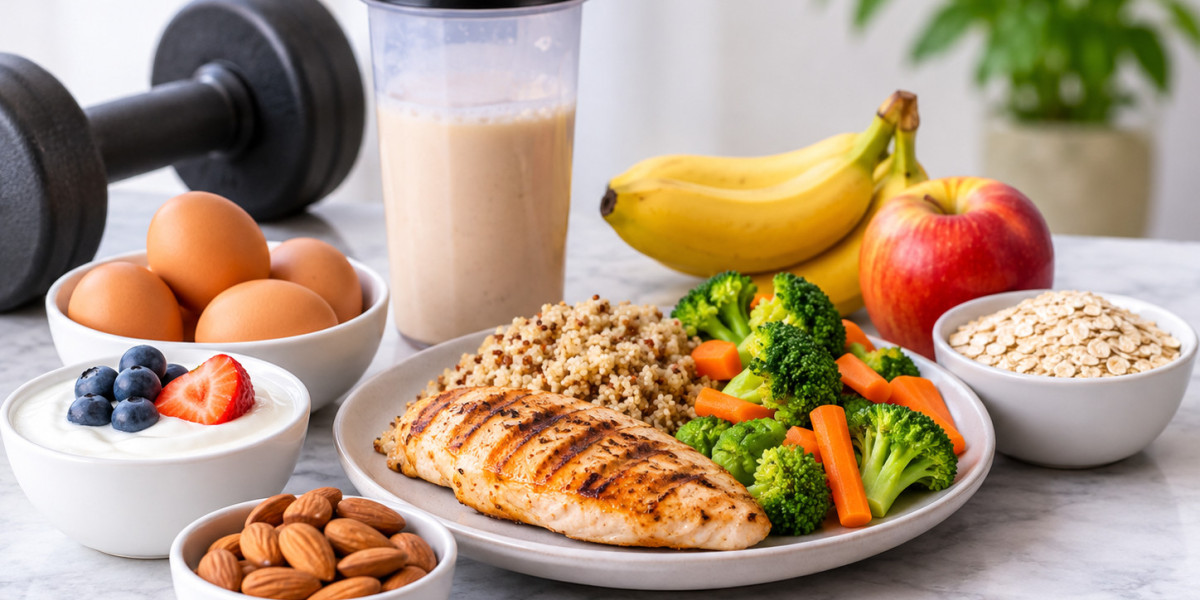

Building muscle requires more than spending hours at the gym. Your body needs the right balance of calories, protein, carbohydrates, healthy fats, and essential nutrients to repair muscle tissue and support strength development. Without proper nutrition, even a consistent workout routine may not deliver the results you expect.
A well-planned eating routine makes it easier to stay consistent, improve workout performance, and support long-term muscle development. Choosing the right foods and eating them at suitable times can make a meaningful difference in your fitness journey.
A practical muscle gain meal plan focuses on nutritious meals, appropriate portion sizes, and enough daily energy to support muscle growth without relying on unhealthy eating habits.
1. Understand How Nutrition Supports Muscle Growth
Muscle growth happens when muscle fibres repair and adapt after resistance training. This process requires sufficient energy and nutrients, especially dietary protein.
When your body receives enough calories and protein, it has the resources needed to recover from exercise and build new muscle tissue.
Three important nutritional factors support this process:
Protein: Supplies amino acids that help repair and build muscle tissue.
Carbohydrates: Provide energy for workouts and help replenish muscle glycogen.
Healthy fats: Support hormone production, general health, and nutrient absorption.
Eating a balanced combination of these nutrients is more effective than focusing on one food group alone.
2. Include Protein-Rich Foods in Everyday Meals
Protein plays a central role in muscle development. However, getting enough protein does not mean eating chicken or eggs at every meal. Different food sources can provide essential amino acids while adding variety to your diet.
Some excellent protein rich food options include:
Chicken breast and lean turkey
Eggs and egg whites
Fish such as salmon and tuna
Greek yogurt and cottage cheese
Milk and other dairy products
Lentils, chickpeas, and kidney beans
Tofu, tempeh, and soy products
Combining different protein sources throughout the day can help meet your nutritional requirements.
For many people who regularly perform resistance training, a daily protein intake of approximately 1.4–2.0 grams per kilogram of body weight is a useful evidence-based range. Individual requirements depend on training intensity, body composition, and personal goals.
3. Build a Balanced Daily Meal Routine
One common mistake during muscle-building is skipping meals or relying on large portions of a single food. A better approach is to distribute nutritious foods across the day.
Here is an example of a balanced daily eating routine.
Breakfast: Start with Protein and Energy
Breakfast provides energy after overnight fasting and helps establish a consistent eating routine.
Consider including:
Two whole eggs with additional egg whites
Whole-grain toast
Oatmeal with milk
One banana or seasonal fruit
This combination supplies protein, carbohydrates, and essential nutrients to support an active day.
Mid-Morning Snack: Choose Nutrient-Dense Foods
A nutritious snack can help increase daily calorie and protein intake without making meals unnecessarily large.
Good options include:
Greek yogurt with berries
Almonds and walnuts
Cottage cheese with fruit
A milk and banana smoothie
These choices provide a convenient combination of protein, healthy fats, and carbohydrates.
Lunch: Combine Lean Protein and Complex Carbohydrates
Lunch should contain enough nutrients to support afternoon activities and workout recovery.
A balanced meal may include:
Grilled chicken or fish
Brown rice or whole-grain bread
Steamed broccoli or mixed vegetables
A small serving of olive oil or avocado
This combination provides protein for muscle repair and carbohydrates for energy.
Evening Snack: Support Workout Performance
If you exercise in the evening, a snack containing carbohydrates and some protein can help support training performance.
Consider:
Banana with peanut butter
Whole-grain toast with eggs
Greek yogurt with fruit
A small bowl of oats with milk
Choose portions based on your workout schedule and overall nutritional requirements.
Dinner: Focus on Recovery and Balanced Nutrition
Dinner is another opportunity to provide your body with the nutrients needed for recovery.
Suitable options include:
Grilled salmon or lean chicken
Sweet potatoes or quinoa
Green vegetables
A small portion of healthy fats
Eating a protein-containing dinner contributes to your daily protein intake and supports overnight recovery.
4. Calculate Your Daily Calorie Requirements
Eating enough calories is essential when the goal is to increase muscle mass. If your calorie intake consistently falls below your body's energy requirements, gaining muscle can become more difficult.
Start by estimating your maintenance calories, which represent the approximate energy your body needs to maintain its current weight.
For gradual muscle development, a modest calorie surplus of around 200–300 calories per day can be a reasonable starting point for many people.
However, calorie requirements vary depending on:
Age and body weight
Height and body composition
Daily physical activity
Resistance training frequency
Individual metabolism
Monitor your body weight, workout performance, and progress over several weeks. Adjust food portions gradually rather than increasing calories excessively.
5. Don't Ignore Carbohydrates and Healthy Fats
Protein receives considerable attention in muscle-building nutrition, but carbohydrates and fats are equally important parts of a balanced diet.
Carbohydrates provide fuel for demanding workouts. Foods such as oats, brown rice, potatoes, whole-grain bread, and fruits help maintain energy levels.
Healthy fats support normal body functions and provide additional calories. Include foods such as:
Avocados
Almonds and walnuts
Chia and flaxseeds
Olive oil
Fatty fish
Avoid unnecessarily eliminating carbohydrates or fats. A balanced nutritional approach is generally easier to maintain and supports overall health.
6. Common Muscle-Building Nutrition Mistakes to Avoid
Even a good workout routine may produce limited results when eating habits are inconsistent.
Here are some mistakes worth avoiding:
Eating too little: Insufficient calories can make it harder to support muscle growth and recovery.
Ignoring protein distribution: Consuming most of your daily protein in one meal may be less practical than including protein in several meals throughout the day.
Relying on processed foods: High-calorie snacks and fast food may increase calorie intake without providing enough essential nutrients.
Skipping recovery: Muscle development depends on adequate sleep, rest days, and appropriate training intensity.
Expecting immediate results: Building muscle takes time. Consistent nutrition and progressive resistance training are more important than short-term changes.
7. Make Meal Preparation Part of Your Fitness Routine
Preparing meals in advance can make healthy eating much easier, particularly for people with demanding work schedules.
Meal preparation allows you to control ingredients, portion sizes, and nutritional balance. It also reduces the temptation to choose convenient but less nutritious meals.
Consider these simple strategies:
Prepare protein sources in batches.
Cook rice, potatoes, or other carbohydrates ahead of time.
Keep washed vegetables ready for quick meals.
Divide meals into suitable portions.
Include different ingredients to avoid repetitive eating.
Professional meal prep services can also simplify daily nutrition by providing conveniently prepared meals that fit individual dietary preferences and fitness goals.
8. How Long Does It Take to See Muscle-Building Results?
Muscle development is a gradual process. Beginners may notice improvements in strength and workout performance within the first few weeks, while visible changes in muscle size generally take longer.
Progress depends on several factors, including training experience, nutrition, genetics, sleep quality, and consistency.
For better results, focus on measurable improvements rather than expecting dramatic physical changes every week.
Track your strength, body weight, measurements, and training performance to understand whether your current routine is working.
Conclusion
Building stronger muscles starts with consistent training and a well-balanced approach to nutrition. A suitable eating routine should provide enough calories, quality protein, complex carbohydrates, healthy fats, and essential vitamins and minerals.
Choosing nutritious ingredients, including protein-rich foods in everyday meals, and preparing meals in advance can make your fitness routine easier to maintain.
A sustainable muscle-building strategy is not about eating excessively or following complicated diets. It is about making smarter food choices, maintaining consistency, and giving your body the nutrition and recovery time it needs to develop stronger, healthier muscles.