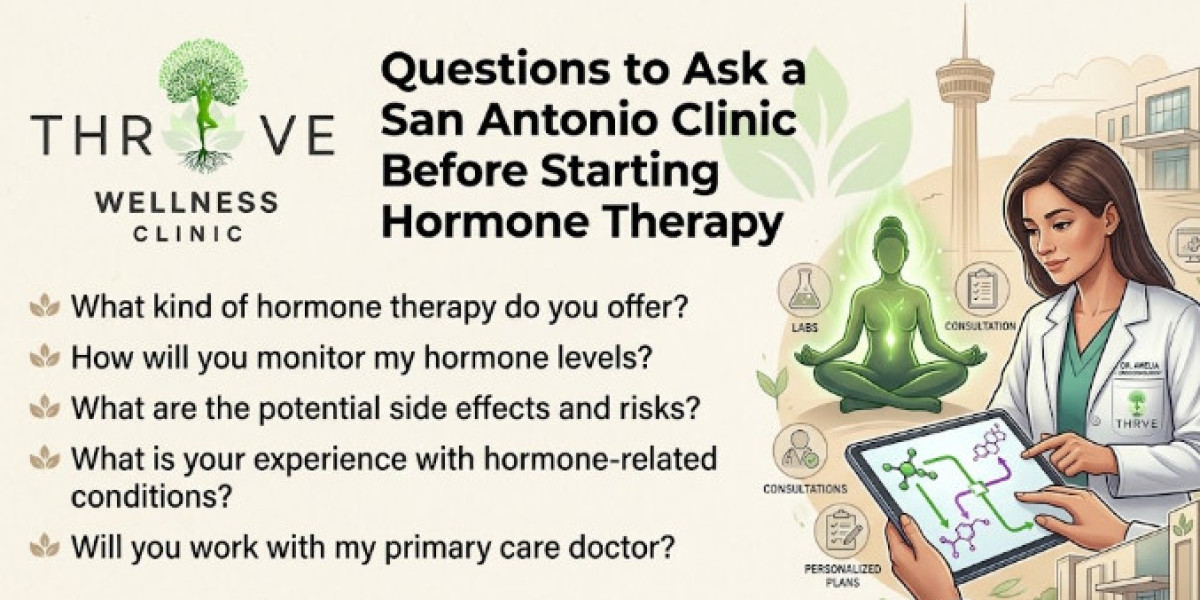

Questions to Ask a San Antonio Clinic Before Starting Hormone Therapy
Choosing a clinic for hormone-related care is a decision that deserves careful consideration. Whether you are experiencing symptoms that may be associated with hormonal changes or exploring treatment options with a healthcare professional, asking the right questions can help you understand your options, potential risks, and the level of care you can expect.
Before starting hormone therapy, patients should understand why treatment may be appropriate, which evaluations are needed, what benefits and limitations to expect, and how progress will be monitored. For people considering care in San Antonio, TX, these questions can also help identify a clinic that prioritizes individualized treatment, clear communication, and appropriate medical oversight.
What Is Hormone Therapy, and How Does It Work?
Hormone therapy involves using medications or other medically supervised treatments to supplement, replace, or modify hormone levels when clinically appropriate. The specific approach depends on a person's symptoms, medical history, laboratory findings when indicated, and treatment goals.
Hormones influence several bodily functions, including reproductive health, metabolism, bone health, and aspects of sleep and mood. Hormonal changes can occur for different reasons, including menopause, certain medical conditions, or changes associated with aging. However, symptoms alone do not necessarily establish that a hormone imbalance is present.
When exploring hormone replacement, ask the clinic which hormones are being evaluated, what findings would support treatment, and whether alternatives are available. A qualified healthcare professional should explain how the proposed treatment relates to your individual circumstances rather than recommending the same approach to every patient.
What Qualifications Should a Hormone Therapy Provider Have?
A hormone therapy provider should have appropriate medical credentials, relevant clinical experience, and the ability to evaluate patients safely before recommending treatment. Patients should also understand who will oversee their care and how they can contact the clinical team with questions.
Before scheduling a consultation at a San Antonio clinic, consider asking:
Which licensed healthcare professional will evaluate me and prescribe treatment if appropriate?
What experience does the provider have with my particular hormonal concern?
Who reviews my medical history and laboratory results?
How will the clinic coordinate care with my primary care provider or other specialists when needed?
Who should I contact if I experience side effects or have concerns between appointments?
These questions help clarify the clinic's approach to medical responsibility and ongoing care. They are especially useful when comparing online consultations, in-person appointments, and other available care arrangements.
Patients searching for HRT San Antonio TX should look beyond convenience or promotional claims. A suitable provider should be willing to explain the reasoning behind a recommendation, discuss uncertainty, and acknowledge when a different specialist or type of evaluation may be more appropriate.
What Tests Do I Need Before Starting Hormone Replacement?
The tests required before treatment depend on the symptoms being evaluated, the suspected cause, your medical history, and the treatment under consideration. A clinic should explain why each test is recommended and how the results could influence your care.
Depending on the clinical situation, an evaluation may include a review of symptoms, medical history, current medications, physical examination when appropriate, and selected laboratory tests. Hormone measurements may be useful, but not every patient needs the same testing panel, and laboratory results must be interpreted in context.
Ask your provider these questions before proceeding:
Which laboratory tests do you recommend for my situation?
Do I need to prepare for testing, such as fasting or adjusting the timing of a sample?
How will you interpret results alongside my symptoms?
Could any medications, supplements, or existing conditions affect my results?
What happens if my results are within the expected range?
A clinic offering biomarker panels should be able to explain what the available markers measure and which are relevant to your evaluation. More tests do not automatically mean better care. Testing should have a clear clinical purpose.
If blood collection is a concern or travel makes appointments difficult, ask whether mobile phlebotomy is available and whether the service is suitable for the specific tests ordered. Confirm how samples are handled, where testing is performed, and how results reach the treating provider.
Who May Be a Candidate for Hormone Therapy?
Hormone therapy may be appropriate for some people with specific hormone-related conditions or symptoms, but it is not suitable for everyone. Eligibility depends on the suspected diagnosis, potential benefits, individual risk factors, and the treatment being considered.
For example, some patients experiencing menopausal symptoms may benefit from discussing menopausal hormone therapy. Others may need further evaluation to determine whether symptoms are related to thyroid conditions, sleep difficulties, medication effects, nutritional issues, or another health concern.
Before recommending treatment, a responsible provider should ask about your symptoms, their duration, relevant medical conditions, family and personal medical history, and current medications. Depending on the proposed therapy, factors such as cardiovascular risk, blood clot history, certain cancers, liver conditions, and reproductive goals may also affect the decision.
Ask the clinic directly: “What findings would make you recommend treatment, and what findings would make you advise against it?” The answer should demonstrate that the provider considers both potential benefits and possible risks.
When exploring hormone therapy replacement, be cautious of any clinic that guarantees results, promises to reverse aging, or suggests that everyone with fatigue, weight changes, low mood, or sleep problems needs hormone treatment.
What Are the Potential Benefits and Risks of Hormone Therapy?
The potential benefits and risks depend on the type of hormone treatment, the reason it is prescribed, the dose, the route of administration, and the patient's health history. No treatment is risk-free, and outcomes vary from person to person.
For eligible patients, certain hormone treatments may relieve specific symptoms or address a diagnosed hormone deficiency. For example, menopausal hormone therapy can help some patients manage hot flashes and night sweats. Other potential benefits depend on the condition being treated and the particular medication used.
However, hormone treatments can cause side effects and may increase certain health risks in some patients. Those risks differ substantially between therapies. The risks associated with estrogen-containing treatments, for instance, should not automatically be applied to testosterone treatment or other hormone medications.
Ask your provider:
Which benefits are realistic for my condition?
What side effects should I watch for?
Are there health conditions that could make this treatment unsuitable?
What alternatives can I consider?
How will we decide whether the benefits outweigh the risks?
A trustworthy clinic should discuss these issues before treatment begins, not only after a problem develops. It should also explain which symptoms require prompt medical attention and how to obtain help if concerns arise.
What Treatment Options Are Available, and Which Is Right for Me?
The appropriate treatment option depends on the medical reason for therapy, the hormone involved, the patient's preferences, and the available evidence for each approach. Different formulations and delivery methods are not necessarily interchangeable.
Depending on the treatment, options may include oral medication, patches, gels, creams, injections, or other prescribed formulations. Some patients may benefit from nonhormonal medications, lifestyle adjustments, or treatment of an underlying condition instead of hormone therapy.
Ask the clinic to explain why it recommends a particular formulation and whether another option would be appropriate. Discuss ease of use, dosing instructions, potential side effects, interactions with other medications, and any special storage or administration requirements.
Patients comparing HRT San Antonio TX providers should also ask whether the clinic offers the treatment being considered and whether prescribing decisions are based on individual clinical findings. Availability alone does not establish that a particular treatment is medically appropriate.
Do not assume that compounded hormone products, customized formulations, or treatments marketed as bioidentical are automatically safer or more effective than approved, commercially available medications. Ask about the evidence, regulatory status, and limitations of the specific product being proposed.
How Long Does Hormone Therapy Take to Work?
The time required to notice a benefit varies according to the treatment, the symptoms being addressed, and the individual's response. Some symptoms may improve within weeks, while others can take longer to change or may not respond as expected.
During your consultation, ask the provider which improvements are reasonable to expect and when progress should be reviewed. The clinic should establish realistic treatment goals rather than promising a specific result by a guaranteed date.
It is also helpful to ask how you should track changes between appointments. Depending on your treatment, this might involve noting symptom frequency, sleep quality, energy levels, or other measures relevant to your condition.
If symptoms do not improve, the appropriate response may involve reassessing the diagnosis, reviewing medication use, adjusting the treatment under medical supervision, or considering another approach. Patients should not increase doses or change prescribed medications independently in an attempt to accelerate results.
How Often Will I Need Follow-Up Visits and Repeat Testing?
Follow-up appointments help the provider assess whether treatment is working, identify side effects, and determine whether changes are needed. The schedule should reflect the medication, the patient's health risks, and the clinical monitoring required.
Ask your San Antonio clinic how soon the first follow-up will occur, whether repeat laboratory testing is needed, and which symptoms or measurements will guide treatment decisions. Some therapies require specific monitoring of hormone levels or other health markers, while others may require a different assessment plan.
You should also understand what happens if a test result falls outside the expected range. Will the provider contact you, arrange another appointment, or recommend additional evaluation? Knowing the process can help prevent confusion after testing.
A reliable hormone replacement care plan includes ongoing review rather than a prescription without meaningful follow-up. Ask whether you can reach the clinical team between appointments and whether follow-up visits are included in the quoted treatment cost.
How Much Does Hormone Therapy Cost in San Antonio, TX?
The cost of hormone therapy depends on the prescribed medication, required laboratory testing, consultation fees, follow-up visits, and whether insurance covers any part of the care. There is no single price that applies to every patient or treatment plan.
Before committing to care, ask the clinic for a clear breakdown of expected expenses. Find out whether the initial consultation, laboratory work, prescriptions, repeat testing, and follow-up appointments are billed separately or included in a package.
If you are comparing providers, review the pricing information and ask the clinic to clarify any fees that are not explained. A lower initial consultation fee may not represent the total cost of treatment if testing and monitoring are charged separately.
You may also want to ask:
Do you accept my insurance, and will you help me understand coverage?
Which services are self-pay?
Are monthly membership fees required?
What is included in a membership, and which services cost extra?
Are prescription medications and laboratory testing billed separately?
What happens financially if I need additional testing or a different treatment?
Patients searching for HRT San Antonio TX should compare the total expected cost alongside provider qualifications, treatment suitability, accessibility, and follow-up arrangements. Financial transparency is an important part of informed decision-making.
Is Telemedicine Available for Hormone Therapy in San Antonio?
Telemedicine may allow eligible patients to discuss symptoms, review medical history, receive test-result explanations, and attend follow-up appointments remotely. However, whether remote care is suitable depends on the patient's needs, the treatment, and applicable prescribing requirements.
If you prefer virtual appointments, ask whether the clinic provides telemedicine consultations and which parts of the care process can be completed remotely. Find out whether you will need an in-person examination, where laboratory testing can take place, and how prescriptions and follow-up monitoring are handled.
Patients should also confirm that the provider is appropriately licensed to deliver care in their location. Remote access should not mean reduced clinical oversight or an inability to obtain help when symptoms change.
For some patients in San Antonio, a combination of virtual consultations and locally arranged testing may offer flexibility. The best arrangement is one that meets clinical requirements while allowing reliable communication with the treating provider.
What Should I Expect During My First Consultation?
An initial consultation should give you an opportunity to describe your concerns, understand the evaluation process, and decide whether the proposed care is appropriate. You should leave with a clearer understanding of the next steps, even if treatment is not recommended immediately.
Before the appointment, prepare a list of symptoms, when they started, medications and supplements you take, relevant medical history, and questions you want answered. Bring previous laboratory results if they are available and relevant to your concern.
During the visit, the provider may discuss possible causes, recommend selected tests, explain treatment and non-treatment options, and arrange follow-up. A prescription may not be appropriate until additional information is available.
You should feel comfortable asking for clarification or requesting time to consider your options. A clinic should respect your decision-making process and explain the reasoning behind its recommendations without pressuring you to purchase a treatment package.
How Can I Choose the Right Hormone Therapy Clinic in San Antonio?
Choosing a clinic involves more than finding a convenient appointment or a service advertised near you. Look for a provider who offers individualized evaluation, clear explanations, appropriate testing, transparent costs, and a practical plan for monitoring your health.
When comparing clinics in San Antonio, consider whether the provider answers questions directly, explains the limitations of treatment, and discusses alternatives when appropriate. Ask how laboratory results are reviewed, how side effects are managed, and whether the clinic coordinates care with other healthcare professionals when needed.
Be cautious of providers who recommend treatment without reviewing your medical history, rely on symptoms alone when further evaluation is needed, or promise guaranteed improvements. Pressure to start immediately or purchase a long-term package before receiving a meaningful assessment is another reason to pause.
Ultimately, the right clinic should help you understand your options and make a decision based on your individual needs. A thoughtful evaluation and consistent follow-up are more valuable than a treatment promise that sounds appealing but lacks a clear medical rationale.
Frequently Asked Questions
What questions should I ask before starting hormone therapy?
Ask why treatment may be appropriate, what testing is needed, which benefits and risks apply to you, what alternatives are available, how progress will be monitored, and what the total cost may be. You should also understand who will manage your care and how to report side effects.
Do I need hormone testing before starting treatment?
Not everyone needs the same tests, but laboratory testing may be recommended depending on your symptoms, medical history, and proposed treatment. Ask your provider which tests are necessary and how the results will influence the treatment decision.
Is hormone therapy safe for everyone?
No. Safety depends on the specific medication, the reason for treatment, and individual health factors. A qualified healthcare professional should review relevant risks, contraindications, alternatives, and monitoring requirements before recommending therapy.
Can I receive hormone therapy consultations online in San Antonio?
Telemedicine may be available for consultations and follow-up when clinically appropriate. Some patients may still need an in-person assessment, laboratory testing, or additional monitoring. Confirm the clinic's process and provider licensing before beginning care.
How much does hormone therapy cost in San Antonio, TX?
Costs vary according to consultations, laboratory testing, medication, follow-up visits, and insurance coverage. Ask for a breakdown of initial and ongoing expenses, including any membership fees or services billed separately.
When should I speak with a healthcare professional about hormone-related symptoms?
Consider arranging an evaluation if persistent symptoms affect your daily life or raise concerns about a possible hormonal condition. Symptoms such as fatigue, sleep changes, mood changes, and weight fluctuations can have many causes, so professional assessment can help determine whether hormone testing or another approach is appropriate.
Choosing hormone therapy should begin with informed questions, a careful medical evaluation, and a clear understanding of ongoing care. By discussing qualifications, testing, treatment options, risks, follow-up, and costs before making a decision, patients can approach hormone-related care in San Antonio with greater confidence and realistic expectations.