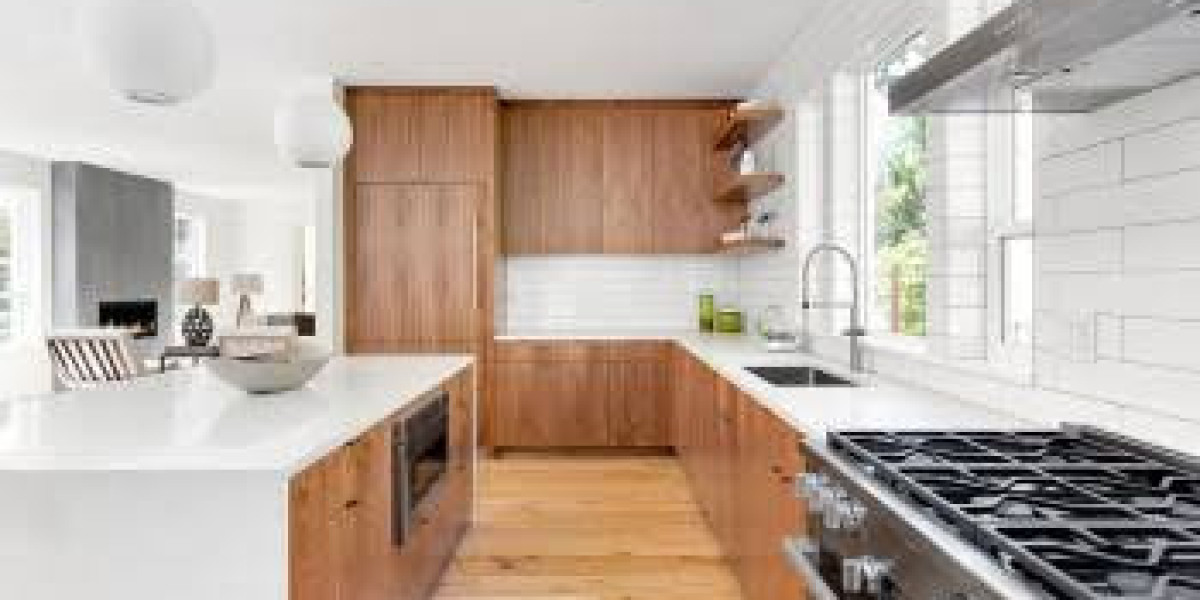

A kitchen renovation does not always require replacing every fixture or hiring a contractor for the entire project. Sometimes, updating the cabinets is enough to improve storage, refresh the room's appearance, and make everyday cooking more convenient. With careful planning and a realistic budget, homeowners can take on many cabinet-related tasks themselves. Exploring do it yourself kitchen cabinet options is a practical way to begin comparing designs, materials, and approaches for your home.
1. Start With a Practical Renovation Plan
Before buying cabinets or removing existing units, decide what you want to accomplish. You might need more storage for cookware, a better place for small appliances, or a more modern appearance.
Walk through your kitchen and identify the areas that create the most inconvenience. Consider whether the current layout works well or whether certain cabinets make items difficult to reach.
Measure the Kitchen Carefully
Accurate measurements help you select cabinets that fit the available space. Measure the walls, ceiling height, and floor area, then record the locations of windows, doors, appliances, plumbing connections, and electrical outlets.
Draw a simple floor plan and mark the intended cabinet positions. Check that doors and drawers can open fully without hitting appliances or blocking walkways.
If the walls or floors are uneven, account for those conditions before ordering. Addressing measurement and installation challenges early can prevent costly adjustments later.
2. Select the Right Type of Cabinet Project
The best approach depends on your experience, available tools, and the condition of your existing kitchen.
Building Cabinets Yourself
Constructing cabinets from raw materials gives you control over their size, layout, and internal storage. This approach can be useful for unusual spaces where standard cabinet dimensions are unsuitable.
However, accurate cutting and square assembly require practice. Beginners should start with a small storage cabinet and become familiar with the tools before attempting a larger project.
Installing Ready-to-Assemble Cabinets
Ready-to-assemble cabinets arrive in individual components that must be assembled before installation. They can be a practical option for homeowners who want to complete some of the work without manufacturing each part.
Review the assembly instructions, cabinet dimensions, materials, and hardware before purchasing. Confirm that the units fit your floor plan and that all required components are included.
Improving Existing Cabinets
If your current cabinets remain structurally sound, a complete replacement may not be necessary. Fresh paint, updated handles, new hinges, or improved drawer organizers can make the kitchen more attractive and functional.
Inspect the cabinet boxes for moisture damage, loose joints, and deteriorating panels before deciding to reuse them.
3. Choose Materials That Match Your Lifestyle
Cabinet materials influence the overall appearance, maintenance requirements, and cost of your renovation. Consider your cooking habits, preferred design, and the amount of maintenance you are willing to undertake.
White Oak Cabinets
White oak is known for its distinctive grain and natural appearance. It can complement neutral countertops, warm flooring, and contemporary or traditional kitchen designs.
When comparing white oak cabinets, check whether the product uses solid oak, oak veneer, or another material with an oak-style finish. These options differ in construction and price, so review the specifications carefully.
Black Kitchen Cabinets
Black cabinets offer a modern appearance and can create a strong visual contrast with lighter countertops and walls. Natural wood accents can also help soften the overall look.
Consider the amount of natural light in your kitchen before choosing a dark finish. Under-cabinet lighting and lighter surrounding surfaces can help maintain a balanced design.
Painted and Laminate Finishes
Painted cabinets offer flexibility in color, while laminate finishes provide a range of patterns and surface appearances. Request samples where possible to see how the finish looks under your kitchen's lighting.
Choose a surface that suits your cleaning routine and expected use, especially around the sink and cooking area.
4. Compare Cabinet Suppliers Before Ordering
Choosing a supplier requires more than finding an attractive product at a low price. Compare construction quality, dimensions, available finishes, delivery arrangements, and customer service.
Customer reviews can provide useful information about packaging, assembly instructions, missing components, and the handling of damaged items.
Understand the Total Purchase Price
Some advertised prices cover only the cabinet boxes, while doors, shelves, hinges, handles, and trim may cost extra. Delivery and installation accessories can also affect the final amount.
Create a checklist of everything you need and compare complete estimates from different suppliers.
Before placing an order, confirm the dimensions, delivery schedule, return policy, and warranty coverage. Keeping your measurements and order confirmation available can also help resolve problems if the delivered products do not match your expectations.
5. Design Cabinets Around Everyday Activities
A functional kitchen should make common tasks easier. Cabinet placement should reflect how you prepare food, clean dishes, and organize groceries.
Store pots and pans close to the stove, keep everyday dishes near the dishwasher, and place frequently used utensils close to the preparation area.
Make Better Use of Small Spaces
Deep drawers can provide convenient access to cookware, while adjustable shelves accommodate containers of different sizes. Pull-out pantry units can make narrow spaces useful, and corner organizers may help you reach items stored at the back.
Measure the available cabinet interior before purchasing organizers. Check the manufacturer's recommendations for weight limits and compatibility.
Avoid adding cabinets simply to fill every available wall. Preserving enough countertop space and comfortable movement is essential to a practical kitchen.
6. Prepare for a Smooth Installation
Before installation, clear the work area and protect nearby surfaces. Empty the existing cabinets and inspect the walls and floors for damage that may need attention.
If you are removing old units, take care around plumbing and electrical connections. Hire qualified professionals for utility disconnections, wiring changes, plumbing relocation, or structural work that requires specialist expertise.
When the new cabinets arrive, inspect every component and confirm that the required hardware is present. Read the manufacturer's instructions before assembly.
Assemble, Level, and Secure Each Cabinet
Follow the specified assembly sequence and use the recommended fasteners. Keep the cabinet boxes square so the doors and drawers can align correctly.
Check that each unit is level and properly supported before securing it. Wall cabinets must be attached to suitable structural support according to the manufacturer's installation instructions.
After installation, adjust hinges and drawer slides. Open and close every unit to check its movement, alignment, and clearance from neighboring cabinets and appliances.
7. Keep the Budget Under Control
A cabinet renovation may involve additional expenses beyond the cabinets themselves. Include tools, delivery, hardware, trim, waste removal, and professional assistance in your budget.
Prioritize reliable construction, accurate sizing, and useful storage before spending on decorative upgrades. If the existing cabinet boxes are in good condition, refinishing them may free up money for other improvements.
Set aside a contingency amount for unexpected issues, such as uneven walls or damaged surfaces discovered during removal. A flexible budget makes it easier to address these problems without abandoning the project.
Conclusion
DIY kitchen cabinets can help homeowners create a more organized and attractive kitchen without requiring every task to be handled by a contractor. The key is to understand your space, choose suitable materials, compare suppliers, and plan the installation before beginning work.
Whether you build cabinets from scratch, assemble ready-to-assemble units, or refresh existing cupboards, focus on accurate measurements and practical storage. Follow the manufacturer's instructions and seek professional help when a task requires specialist skills.
With careful preparation and realistic expectations, you can improve your kitchen's functionality and appearance while making better use of your available space and budget.







