
Understanding Your Home's Hot Water Needs
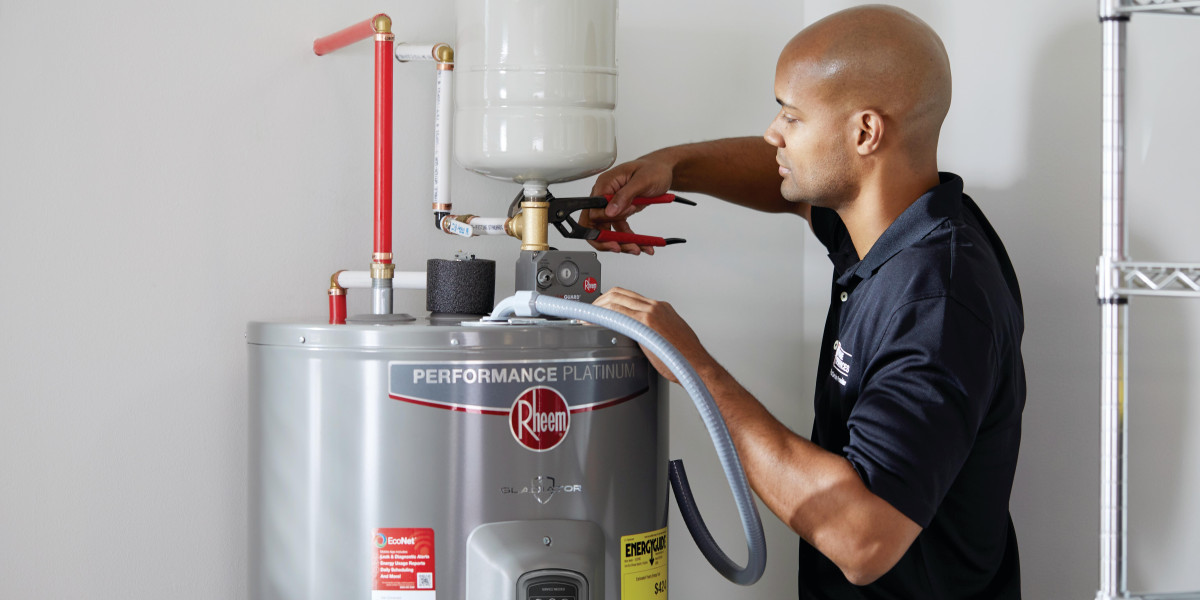
A dependable water heater makes everyday activities such as showering, washing dishes, and doing laundry more convenient. When an existing unit becomes unreliable or reaches the end of its service life, installing a suitable replacement can help restore consistent hot water. Understanding household demand, available space, and energy preferences helps homeowners select equipment that fits their property and daily routines.
Choosing the Right Installation Service
When researching Water Heater Installation Plumbing Services Riviera Beach FL, consider the condition of your current system, the type of replacement needed, and the property's plumbing setup. A qualified professional can evaluate water connections, drainage requirements, available fuel sources, and installation space. Reviewing these details before purchasing equipment helps prevent compatibility problems and supports a smoother installation process.
Comparing Different Water Heater Types
Conventional storage water heaters keep a supply of hot water in an insulated tank, while tankless systems heat water as it flows through the unit. Heat pump water heaters use electricity to transfer heat and may offer energy savings in suitable conditions. Each option has different installation requirements, upfront costs, and operating characteristics. Comparing these factors helps homeowners choose a system suited to their needs.
Evaluating the Correct Water Heater Size
Selecting an appropriately sized unit is important for reliable performance. A system that is too small may struggle to meet demand during busy periods, while an oversized model may increase purchase costs unnecessarily. Consider the number of occupants, bathing habits, laundry frequency, and simultaneous hot water use. A qualified installer can assess these factors and recommend suitable capacity based on household requirements.
Preparing the Installation Area
Before installation begins, the surrounding area should be checked for accessibility, ventilation requirements, and adequate clearance. The floor or mounting surface must support the equipment safely, and nearby plumbing connections should be evaluated for leaks or deterioration. Depending on the model, electrical connections, gas lines, drainage, and temperature-pressure relief components may also need attention. Proper preparation helps reduce complications during installation.
Understanding the Role of Handyman and Construction Services
Handyman Construction Company Riviera Beach FL services may help coordinate related property improvements when a water heater installation requires more than plumbing work alone. Depending on the project, additional tasks could include repairing access panels, adjusting surrounding finishes, or completing minor structural repairs. However, specialized plumbing, gas, and electrical work should be handled by appropriately qualified professionals who understand applicable safety requirements.
Prioritizing Plumbing and Installation Safety
Water heater installation involves connections that must be completed correctly to reduce the risk of leaks, scalding, fire, or other hazards. Gas-powered units require suitable gas connections and venting, while electric models need compatible electrical circuits. Temperature-pressure relief systems and drainage arrangements must also meet manufacturer instructions and local requirements. Professional installation helps ensure that essential safety components are correctly fitted and checked.
Improving Energy Efficiency
A suitable water heater can help manage household energy consumption. Insulation, appropriate temperature settings, efficient equipment, and properly maintained plumbing all influence performance. Some households may benefit from upgrading an older unit to a more efficient model, depending on installation conditions and energy prices. Reviewing product specifications and operating costs can help homeowners understand the potential long-term value of different systems.
Recognizing Signs of Water Heater Problems
Inconsistent water temperature, unusual noises, visible corrosion, leaking connections, and reduced hot water supply may indicate that a water heater needs attention. Some problems can be repaired, while others may make replacement a more practical option. Water pooling around the unit should not be ignored because leaks can damage nearby flooring and walls. A professional assessment can help identify the source and appropriate solution.
Maintaining Your New Water Heater
Regular maintenance helps keep a water heater operating reliably. Follow the manufacturer's guidance for inspections, cleaning, and any recommended servicing. Depending on the system and local water conditions, maintenance may include checking connections, inspecting valves, or addressing mineral buildup. Keep the surrounding area clear and investigate unusual smells, sounds, or changes in performance promptly instead of waiting for a complete failure.
Planning Your Installation Budget
The total cost of installation depends on the equipment, labor, existing connections, and any modifications required. Replacing a unit with a similar model may involve fewer changes than switching to a different technology or fuel source. Ask for a written estimate that identifies the equipment, installation work, permits if applicable, and potential additional charges. Clear pricing helps homeowners plan their budget more confidently.
Enjoying Reliable Hot Water at Home
A well-planned water heater installation can improve daily comfort and reduce the inconvenience of an unreliable hot water supply. Choosing suitable equipment, preparing the installation area, and using qualified professionals are important steps toward a dependable result. With appropriate maintenance and timely attention to developing problems, homeowners can support efficient operation and enjoy consistent hot water for everyday household needs.







