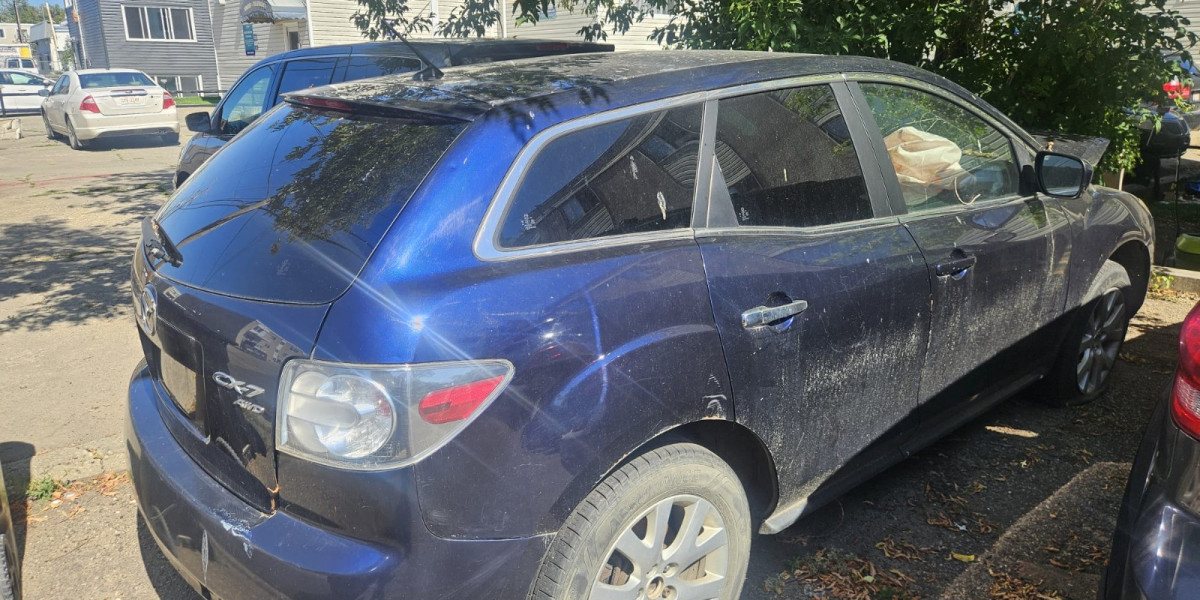

When you are planning to sell an old or unwanted car, flat tires might seem like a problem you need to fix first. Perhaps your vehicle has been parked in the driveway for months, one tire has slowly lost air, or all four tires are now too flat to support the car properly. Before calling a buyer, you might wonder whether replacing the tires will help you get a better cash offer.
The answer depends on the overall condition of your vehicle. In many cases, you do not need to replace flat tires before getting a cash offer for your car. Buyers who purchase junk, damaged, and non-running vehicles may be willing to assess your car in its current condition.
Spending money on new tires without understanding the vehicle's actual value can lead to unnecessary expenses. The smarter approach is to request an offer first, compare your options, and decide whether any repairs are financially worthwhile.
Do Flat Tires Reduce Your Car's Cash Value?
Flat tires can affect a vehicle's condition and the effort required to collect it, but they do not automatically make the car worthless.
Buyers typically consider several factors when evaluating a vehicle, including its make, model, year, mileage, mechanical condition, and demand for reusable parts. The condition of the tires is only one part of that assessment.
For example, an older sedan with a failed engine and four flat tires may still have value as a source of scrap metal or usable components. Replacing its tires might not significantly increase the amount a buyer is willing to pay.
On the other hand, a relatively new vehicle with a healthy engine, a good transmission, and one punctured tire could be worth repairing if you intend to sell it privately.
It is also important to distinguish between a tire that has simply lost air and one that has suffered structural damage. A severely damaged sidewall, cracked rubber, or prolonged storage on a completely flat tire may mean the tire cannot safely be repaired.
Rather than guessing how much the damage will affect your offer, describe the condition honestly and ask the buyer to assess the vehicle as it stands.
Should You Replace Flat Tires Before Requesting a Cash Offer?
In most cases, requesting a quote before purchasing replacement tires is the most practical first step.
If you are exploring cash for cars in Calgary, you can share your vehicle's details and explain its current condition before committing to repairs. This helps you understand your options without immediately spending money on a vehicle you may ultimately decide to sell as-is.
Consider these situations before making a decision.
1. Your Car Has Major Mechanical Problems
If your vehicle has a blown engine, transmission failure, serious rust, or several expensive repair needs, replacing the tires may not be worthwhile.
A buyer interested in scrap vehicles or reusable parts may still make an offer based on the car's remaining value. Paying for new tires could increase your expenses without producing a comparable increase in the selling price.
Request an as-is quote before authorizing any work.
2. Your Car Is in Good Mechanical Condition
If the engine runs well and the vehicle has relatively low mileage, replacing a damaged tire could make sense, especially if you plan to sell it to a private buyer.
However, compare the cost of replacement with the likely difference in selling price. Do not assume that spending money on repairs will automatically lead to a higher profit.
A cash offer can provide a useful starting point for that comparison.
3. All Four Tires Are Flat
When a car has been sitting unused for a long time, all four tires may lose pressure or deteriorate. Replacing every tire can be expensive, particularly when the vehicle is older or has other problems.
Fortunately, a car does not always need roadworthy tires to be considered for purchase. The buyer will need to know whether the wheels are intact, whether the vehicle can roll, and whether special equipment will be required for collection.
Explain these details when requesting your quote rather than replacing all four tires automatically.
Can You Sell a Car That Cannot Move Because of Flat Tires?
Yes, some vehicle buyers accept cars that cannot move under their own power. However, the available collection method depends on the vehicle's condition and location.
A car with one flat tire may still roll, while a vehicle with four flat tires, seized brakes, or damaged wheels may require additional equipment. A winch, wheel skates, or suitable towing equipment may be needed to load it safely.
The parking location also matters. A vehicle in an open driveway may be easier to collect than one inside a narrow garage, behind other vehicles, or in a restricted underground parking area.
Before scheduling pickup, provide the buyer with the following information:
The number of flat or damaged tires.
Whether the wheels are intact.
Whether the vehicle starts, steers, and rolls.
The location and accessibility of the car.
Any known mechanical problems or additional damage.
Photographs can help the buyer understand the situation and determine the appropriate collection arrangements.
Never attempt to drive a vehicle with an unsafe tire or move a heavy car using improvised equipment. Confirm the collection plan with the buyer before making arrangements.
What Other Problems Can Develop When a Car Sits for Months?
Flat tires are not the only issue that can develop while a vehicle remains parked. Extended storage can affect several components, especially when the car is exposed to changing temperatures, moisture, and harsh weather.
Battery failure: A battery can lose its charge over time, leaving the vehicle unable to start.
Brake problems: Rust can develop on brake components, and the brakes may seize in some circumstances.
Tire deterioration: Rubber can crack or develop flat spots, while a deflated tire may suffer sidewall damage.
Rust and corrosion: Moisture and winter road salt can contribute to corrosion, particularly underneath the vehicle.
Fluid and mechanical issues: Leaks, deteriorating rubber components, and other existing problems may become more noticeable after extended storage.
These issues can influence the vehicle's value and collection requirements. If several problems are present, obtaining an as-is offer may be more sensible than trying to restore the car without knowing whether the investment will pay off.
How to Get an Accurate Cash Offer for a Car With Flat Tires
You do not need to repair the vehicle before contacting a buyer. Providing accurate information is often the best way to receive an offer that reflects its actual condition.
Step 1: Gather Basic Vehicle Information
Prepare the make, model, year, approximate mileage, and details about any known mechanical problems. Mention how long the vehicle has been sitting and whether it was running before it was parked.
Step 2: Describe the Tire Damage
Explain whether one tire is flat, several tires have lost air, or the tires are visibly damaged. If you know the wheels are bent or the brakes are seized, include that information too.
Step 3: Take a Few Photographs
Clear pictures of the tires, exterior, interior, and parking location can help the buyer assess the vehicle. You do not need to make the car look perfect before taking photographs.
Step 4: Compare Offers Before Spending Money
Request an as-is quote and confirm whether towing is included. If you are considering repairs, compare the cost with the amount you could reasonably gain from selling the vehicle in better condition.
Maple Cash for Cars provides a junk car removal service in Calgary for unwanted vehicles, including non-running cars. Contact the company with your vehicle details to discuss its condition, obtain an offer, and confirm the available pickup arrangements.
Step 5: Confirm Payment and Paperwork
Before accepting an offer, confirm the final payment amount, collection arrangements, and any conditions that apply. Prepare the required ownership documents and identification, and complete the necessary paperwork when the vehicle is transferred.
Common Mistakes to Avoid Before Selling
One of the most expensive mistakes is buying new tires before finding out whether the car is worth repairing. Another is assuming that a vehicle with flat tires cannot be sold.
You should also avoid hiding tire damage when requesting a quote. If the buyer arrives expecting a vehicle that can roll but discovers that all four wheels are immobilized, the collection arrangements or offer may need to change.
Finally, do not assume every buyer offers the same price or includes identical towing arrangements. Ask clear questions and compare the terms before making a decision.
Taking a few minutes to understand your options can help you avoid unnecessary repair bills and make the selling process easier.
Final Thoughts
Should you replace flat tires before getting a cash offer? Usually, no. Request an offer first and decide whether repairs make financial sense afterward.
If your vehicle has been sitting for months, has several mechanical problems, or is no longer worth repairing, replacing the tires may simply add to your expenses. A buyer who accepts vehicles in their current condition may still be interested in purchasing it.
Be honest about the tire damage, share the vehicle's details, and confirm pickup and payment arrangements before agreeing to a sale. By comparing your options before spending money, you can make a more informed decision and avoid investing in repairs that may not increase your return.