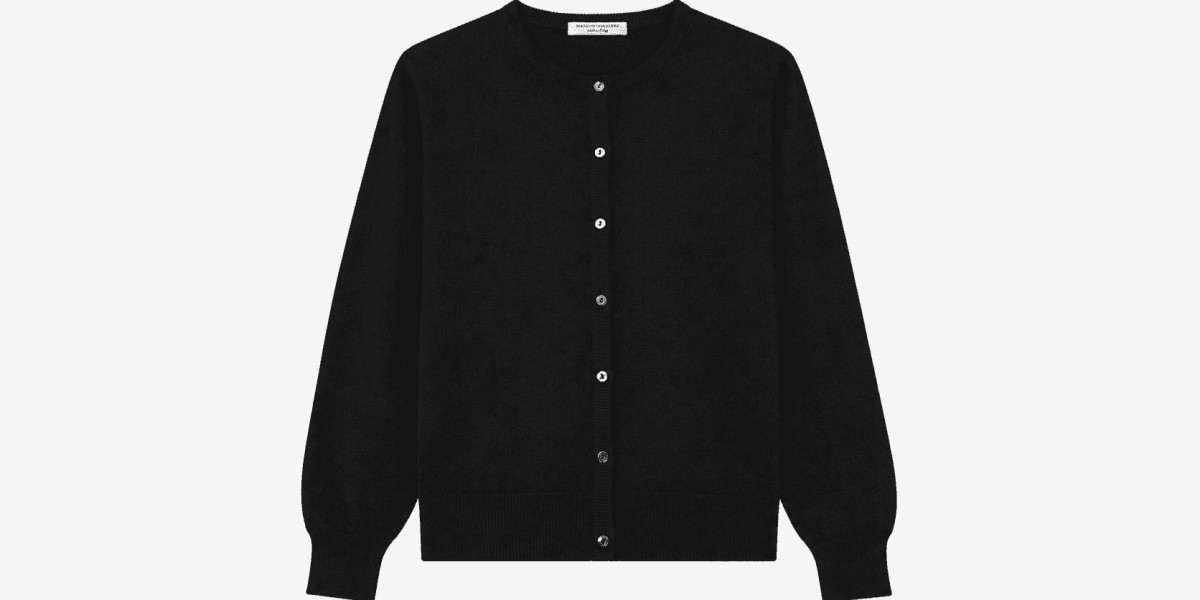

Buying a black cashmere sweater can feel straightforward because black is a timeless color that works with almost every wardrobe. However, the appearance of a sweater does not reveal everything about its material, construction, or long-term performance. Two black cashmere sweaters may look nearly identical in product photographs while differing considerably in fiber composition, softness, thickness, care requirements, and overall quality. Reading the label carefully helps you understand what you are purchasing and avoid relying entirely on marketing claims. Whether you are shopping for a classic crewneck, a V-neck for office wear, or a relaxed sweater for everyday use, the information on the label can help you make a more confident decision.
When comparing the Best black cashmere sweaters, start by checking the fiber composition, cashmere percentage, care instructions, garment details, and manufacturer's information. These details provide a clearer picture of the product than its color or price alone. A black sweater described as luxurious may contain a blend of different fibers, while another product may use 100% cashmere but provide limited information about its construction. Understanding the difference between these descriptions allows you to compare garments fairly and select one that suits your preferences, budget, and lifestyle.
Check the Fiber Composition First
The fiber composition is one of the most important details on a cashmere label because it identifies the materials used to make the garment. If you want a pure cashmere sweater, look for a clear statement that says 100% cashmere. This indicates that the listed fiber composition is entirely cashmere, assuming the label accurately represents the product. If the label mentions wool, cotton, nylon, polyester, or other fibers alongside cashmere, the garment is a blend rather than pure cashmere.
Cashmere blends are not automatically poor-quality products. Depending on the materials used, a blend may offer different characteristics in terms of structure, durability, stretch, texture, or price. Some shoppers prefer pure cashmere for its soft feel and lightweight warmth, while others may choose a blend because it better suits their budget or intended use. The important point is to understand the actual composition instead of assuming that every sweater containing the word cashmere has the same properties.
Pay attention to the exact wording used on the product label and description. Expressions such as cashmere blend, cashmere touch, and cashmere feel do not mean the same thing as 100% cashmere. Marketing language can describe a product's appearance or texture without confirming that it consists entirely of cashmere. If the composition is unclear or different sections of the product listing provide conflicting information, look for more detailed manufacturer information before buying.
Understand What the Cashmere Percentage Means
The percentage printed on a label helps you determine how much of the garment's stated fiber composition consists of cashmere. A product containing 100% cashmere is different from one containing 50% cashmere and 50% wool, even if both are marketed as premium knitwear. This distinction matters when comparing prices because the material composition can influence the garment's feel, performance, and manufacturing cost.
However, the cashmere percentage does not tell you everything about the quality of the sweater. Two garments labeled 100% cashmere may still differ in fiber characteristics, yarn preparation, knitting technique, and finishing. One might feel softer and drape more comfortably, while another may have a firmer structure or develop surface pills more quickly. The label establishes the stated material composition, but it does not provide a complete assessment of the finished garment.
When reviewing the Best black cashmere sweaters, use the percentage as your starting point rather than your final decision. Compare the composition with the product measurements, construction details, customer feedback, and care requirements. This approach helps you distinguish between what the label confirms and what you still need to evaluate before purchasing.
Look for Information About Fiber Quality
Some cashmere labels and product descriptions provide additional information about the fibers used in the garment. You may encounter references to fiber fineness, fiber length, or particular sourcing standards. These details can be useful because cashmere quality depends partly on the characteristics of the fibers selected for yarn production. Finer fibers are often associated with a softer feel, while fiber length and yarn construction can influence how the knitted surface performs during regular wear.
Nevertheless, not every label includes these measurements, and their absence does not automatically mean that a sweater is poor quality. Some manufacturers provide detailed technical specifications, while others focus on composition, size, and care. If a brand makes specific claims about premium fiber quality, look for clear supporting information rather than relying solely on words such as luxury, exclusive, or superior.
It is also important to understand that softness alone does not determine durability. A very soft sweater may still develop pills when its fibers rub against one another or other surfaces. Construction, yarn characteristics, and garment care all influence how the sweater looks after repeated use. A reliable buying decision considers the complete product rather than treating one advertised fiber feature as proof of overall quality.
Check Whether the Label Identifies the Country of Origin
The country of origin can provide useful information about where a garment was manufactured or where particular production stages took place. Depending on the product and applicable labeling rules, the information may identify the country associated with manufacturing rather than the location where the cashmere fibers were obtained. These are different details, so avoid assuming that a sweater manufactured in one country necessarily uses fibers sourced from the same place.
Some brands provide separate information about fiber sourcing, yarn production, knitting, dyeing, and final garment assembly. This level of transparency can help shoppers understand the production process and evaluate the manufacturer's claims. However, country-of-origin information alone does not establish whether the sweater is soft, durable, ethically produced, or worth its price. Manufacturing quality can vary between individual producers in any country.
For online shoppers, it is helpful to check whether the product label and product description provide consistent information about origin. If a brand emphasizes traceability or responsible sourcing, look for specific explanations of what those claims mean. Clear information is more useful than broad promotional statements because it allows you to understand which aspects of the product the manufacturer is actually describing.
Read the Care Instructions Before Buying
Care instructions are particularly important when buying cashmere because the garment may require more delicate handling than everyday clothing made from some other materials. The label may recommend hand-washing, a suitable gentle washing cycle, or professional cleaning, depending on the garment's construction and finishing. You should follow the specific instructions provided for the sweater rather than assuming that every cashmere product can be washed in the same way.
If hand-washing is recommended, the instructions may specify cool water and gentle cleaning methods. Vigorous rubbing, twisting, harsh detergents, and unsuitable drying techniques can affect the garment's shape or surface. Some sweaters may also require flat drying to reduce stretching. Understanding these requirements before purchasing helps you decide whether the garment fits your routine and whether you are comfortable maintaining it properly.
Black cashmere needs appropriate care to preserve its appearance as well as its texture. Dark garments can show lint, surface abrasion, and certain forms of fading more noticeably than other colors. However, these changes do not always indicate poor manufacturing. Friction, washing practices, sunlight exposure, and the way the sweater is stored can all affect its appearance. Before choosing among the Best black cashmere sweaters, make sure the care requirements are practical for how frequently you intend to wear the garment.
Understand What the Label Says About Washing and Drying
Washing symbols communicate specific instructions about cleaning, bleaching, drying, ironing, and professional textile care. If you are unfamiliar with these symbols, take time to understand them before washing a new cashmere sweater. The symbols and written instructions are especially important because a cleaning method suitable for one knitwear product may not be suitable for another.
Avoid assuming that a sweater labeled 100% cashmere must always be hand-washed or that every cashmere garment must be professionally cleaned. Manufacturers may use different yarns, finishes, and construction methods, which can affect the recommended care routine. The safest approach is to follow the instructions attached to the particular product. If the label is missing or unclear, consult the manufacturer's guidance before choosing a cleaning method.
Drying instructions deserve equal attention. Hanging a wet cashmere sweater can cause stretching because the garment becomes heavier when saturated with water. Where the care instructions recommend flat drying, gently reshape the sweater and allow it to dry on a suitable surface. Avoid applying excessive heat or placing it in direct sunlight for extended periods. Following the label can help preserve the fit and reduce unnecessary wear over time.
Check the Size and Fit Information
Although size is not part of fiber composition, it is another essential detail to review before buying a black cashmere sweater. Standard size labels such as small, medium, and large are not always consistent across brands. A medium sweater from one manufacturer may have different chest measurements, sleeve lengths, or body proportions from a medium offered by another. Checking the measurements can help you select a garment that fits comfortably and works with the clothing you already own.
Think about how you intend to wear the sweater. If you plan to layer it over a shirt, you may need additional room around the chest and shoulders. If you prefer a neat fit beneath a blazer or coat, a more streamlined design may be suitable. Sleeve length and body length also influence the overall appearance, especially when you want a classic black sweater that can be worn for both casual and professional occasions.
For online purchases, compare the garment's measurement chart with a sweater you already own and like. Check the return policy as well, since even carefully measured clothing can fit differently because of its cut and knit structure. The Best black cashmere sweaters should not only have suitable material composition but also fit your body and intended style comfortably.
Look Beyond the Label at Construction and Finishing
A label can tell you what the manufacturer claims about the materials and care requirements, but it cannot show every detail of the sweater's construction. Before buying, examine product photographs for consistent knitting, neat cuffs, secure seams, and a well-finished neckline. Look for signs that the garment has been carefully assembled and that its overall shape appears balanced.
The type of knit can influence how a sweater feels and how it fits into your wardrobe. A fine-gauge black cashmere sweater may be suitable for layering beneath a jacket, while a heavier knit can provide a more substantial appearance for colder weather. Neither option is automatically better because the right choice depends on your climate, preferred style, and intended use.
Customer reviews can provide additional information about construction and performance after repeated wear. Look for comments that describe the sweater's fit, softness, pilling, and shape retention over time. Reviews are subjective and may reflect different expectations, but recurring patterns can help you identify potential concerns. Combining label information with a careful examination of construction gives you a more complete understanding of the product.
Be Careful With Labels That Make Broad Quality Claims
Words such as premium, luxury, pure, and high quality can influence purchasing decisions, but they should not replace clear product information. A garment may be marketed as luxurious without providing detailed information about its fiber characteristics, construction, or manufacturing process. Similarly, a high price does not independently prove that the cashmere is superior or that the sweater will last longer than a less expensive alternative.
Instead, focus on claims that can be evaluated. Look for an explicit fiber composition, understandable care instructions, reliable sizing information, and clear details about the product's construction. If a manufacturer highlights special sourcing or production practices, check whether the description explains those practices in meaningful terms. This makes it easier to separate specific product information from general advertising language.
You should also avoid assuming that every black cashmere sweater is produced using the same dyeing process. Color consistency and appearance depend on manufacturing methods, finishing, and care. A deep black shade can be desirable, but it does not independently confirm fiber quality or durability. When comparing products, assess the garment as a whole rather than allowing a single label claim to determine your decision.
Frequently Asked Questions
What should I check first on a black cashmere label?
Start with the fiber composition. If you want pure cashmere, look for a clear statement that the garment is 100% cashmere. Then review the care instructions, country-of-origin information, size details, and any additional information about the materials or manufacturing process.
Does 100% cashmere mean the sweater is high quality?
Not necessarily. The percentage identifies the stated fiber composition, but overall quality also depends on fiber characteristics, yarn preparation, knitting, finishing, fit, and care. Two sweaters with the same composition can perform differently.
Is a cashmere blend a bad choice?
No. A blend may suit shoppers who want a particular price, texture, or performance characteristic. The important thing is to understand which fibers are included and compare the garment with your intended use.
Can a label guarantee that black cashmere will not fade?
A label cannot guarantee that the color will remain unchanged forever. Color retention depends on the dyeing and finishing process, exposure to sunlight, friction, and washing practices. Following the manufacturer's care instructions can help maintain the sweater's appearance.
Are expensive black cashmere sweaters always better?
No. Price may reflect materials, construction, manufacturing, brand positioning, and retail costs. Compare product specifications, fit, construction, care requirements, and detailed customer reviews instead of using price as the only measure of quality.
Final Thoughts
Reading a cashmere label carefully can help you make a more informed decision when buying black knitwear. Start by confirming the fiber composition, understanding the cashmere percentage, and reviewing any available information about fiber quality and manufacturing origin. Then examine the care instructions, washing symbols, size chart, and construction details to determine whether the sweater suits your needs. These steps help you understand what the product offers instead of relying on its appearance or promotional language alone.
When searching for the Best black cashmere sweaters, remember that no single label detail can establish the complete quality of a garment. Pure cashmere composition is useful information, but fit, construction, finishing, care requirements, and transparency also matter. By comparing these factors carefully, you can choose a black cashmere sweater that offers the right combination of comfort, style, practicality, and long-term value.