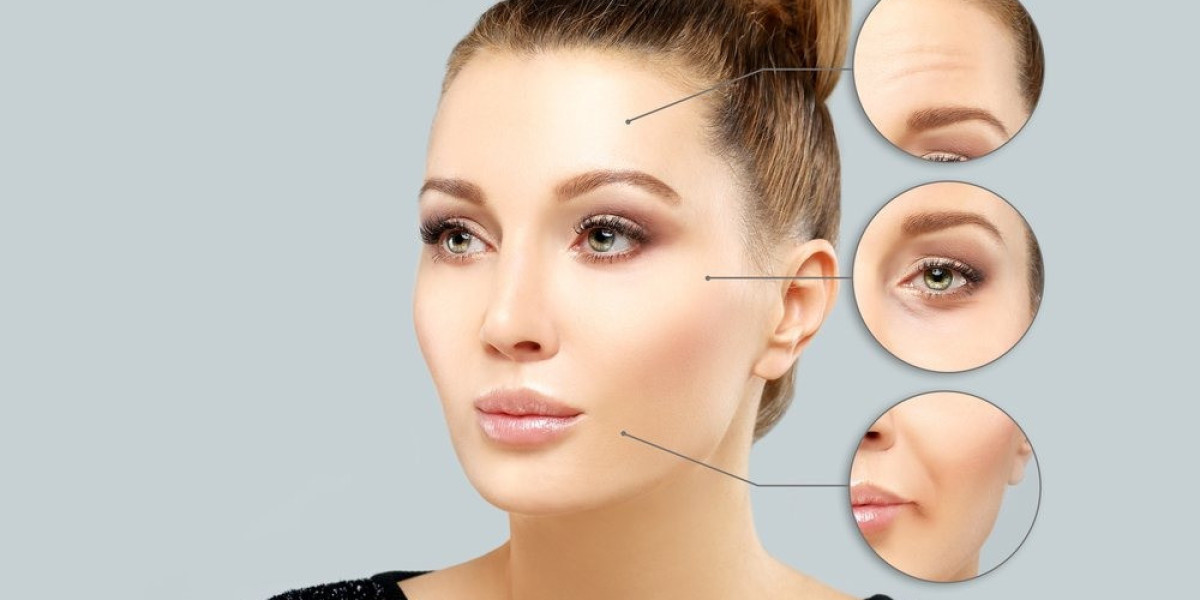

Botox and dermal fillers are two of the most searched cosmetic treatments, and they are often confused. If you’re considering a refreshed, youthful look, understanding the difference is the first step. At https://www.harmonymedspa.ca/, clients regularly ask which treatment is better for fine lines, volume loss, and facial contouring. This guide breaks down how each one works so you can make an informed choice.
What Is Botox?
Botox is an injectable treatment that temporarily relaxes the muscles responsible for expression lines. When those muscles soften, the skin above them smooths out. It works best on dynamic wrinkles, the lines that appear when you frown, squint, or raise your eyebrows.
Common treatment areas include the forehead, the “11” lines between the brows, and crow’s feet around the eyes. Results typically appear within 3 to 7 days and last about 3 to 4 months.
What Are Dermal Fillers?
Dermal fillers are gel-like substances, most commonly hyaluronic acid (HA), injected beneath the skin to restore volume, smooth static lines, and enhance facial structure. Rather than relaxing muscles, fillers physically add support and hydration.
Fillers are often used for:
- Cheek enhancement and mid-face lift
- Lip definition and volume
- Nasolabial folds (smile lines)
- Under-eye hollows
- Jawline and chin contouring
Results are usually visible immediately and can last from 6 to 18 months, depending on the product and treatment area.
Key Differences Between Botox and Fillers
| Factor | Botox | Dermal Fillers |
|---|---|---|
| Primary purpose | Relaxes muscles to soften wrinkles | Restores volume and contour |
| Best for | Forehead lines, frown lines, crow’s feet | Volume loss, lips, cheeks, smile lines |
| Onset of results | 3-7 days | Immediate |
| Longevity | 3-4 months | 6-18 months |
| Downtime | Minimal | Minimal (possible swelling or bruising) |
Which Treatment Is Right for You?
The right choice depends on what’s bothering you most. If you notice lines that appear when you make facial expressions, Botox is usually the better fit. If your concerns are hollowness, flattened cheeks, thin lips, or lines that remain even when your face is at rest, fillers are typically recommended.
Many people combine both for a more balanced, natural-looking result. For example, fillers can restore lost cheek volume while Botox softens forehead lines. A consultation with a trained provider is the best way to build a plan around your anatomy and goals.
What to Expect During Your Appointment
Both treatments are quick, often completed in 15 to 30 minutes. Your provider will assess your face, discuss your goals, and mark the treatment areas. A topical numbing cream may be applied for comfort, particularly for fillers.
Most clients return to normal activities right away. Mild redness, swelling, or small bruises can occur and generally fade within a few days.
Aftercare Tips for Better Results
- Avoid strenuous exercise for 24 hours after treatment
- Don’t rub or massage the treated area unless instructed
- Skip alcohol and blood-thinning supplements before and after, as advised by your provider
- Stay hydrated and use daily sunscreen
- Attend follow-up appointments if recommended
How to Choose a Safe, Qualified Provider
Results and safety depend heavily on the injector’s training and experience. Look for a clinic that offers thorough consultations, uses approved products, explains risks honestly, and focuses on natural-looking outcomes rather than overdone results. Don’t hesitate to ask about credentials, before-and-after photos, and the products being used.
Conclusion
Botox and dermal fillers each play a unique role in facial rejuvenation. Botox smooths expression lines by relaxing muscles, while fillers restore volume and shape. Knowing which one targets your specific concerns helps you set realistic expectations and get better results. If you’re searching for a trusted med spa in durham, booking a personalized consultation is the best way to find the right treatment plan for your skin.
Whether you choose one treatment or a combination, the goal should always be to look refreshed and confident, and still like yourself.
Frequently Asked Questions (FAQs)
1. Is Botox or filler better for wrinkles?
It depends on the type of wrinkle. Botox is best for expression lines such as forehead and frown lines, while fillers are better for deeper folds and areas that have lost volume.
2. Does Botox or filler hurt?
Most people describe mild discomfort or a small pinch. Numbing cream can be used to improve comfort, and treatments are generally well tolerated.
3. How long do Botox and fillers last?
Botox typically lasts 3 to 4 months. Fillers can last 6 to 18 months, depending on the product and where it’s placed.
4. Can I get Botox and fillers at the same time?
Yes. Many people combine them in a single visit for comprehensive, natural-looking results. Your provider will recommend the best approach.
5. Will I look “frozen” or overdone?
Not when done correctly. An experienced provider uses the right amount and placement to keep your expressions natural.
6. What is the recovery time?
Downtime is minimal. You may notice slight swelling, redness, or bruising that usually resolves within a few days.
7. At what age should I start Botox or fillers?
There’s no set age. Some people start in their late 20s or 30s for prevention, while others begin later to address existing concerns. A consultation can help determine what’s right for you.
8. Are Botox and fillers safe?
When administered by trained professionals using approved products, they have a strong safety record. Side effects are usually mild and temporary, though risks should always be discussed beforehand.










