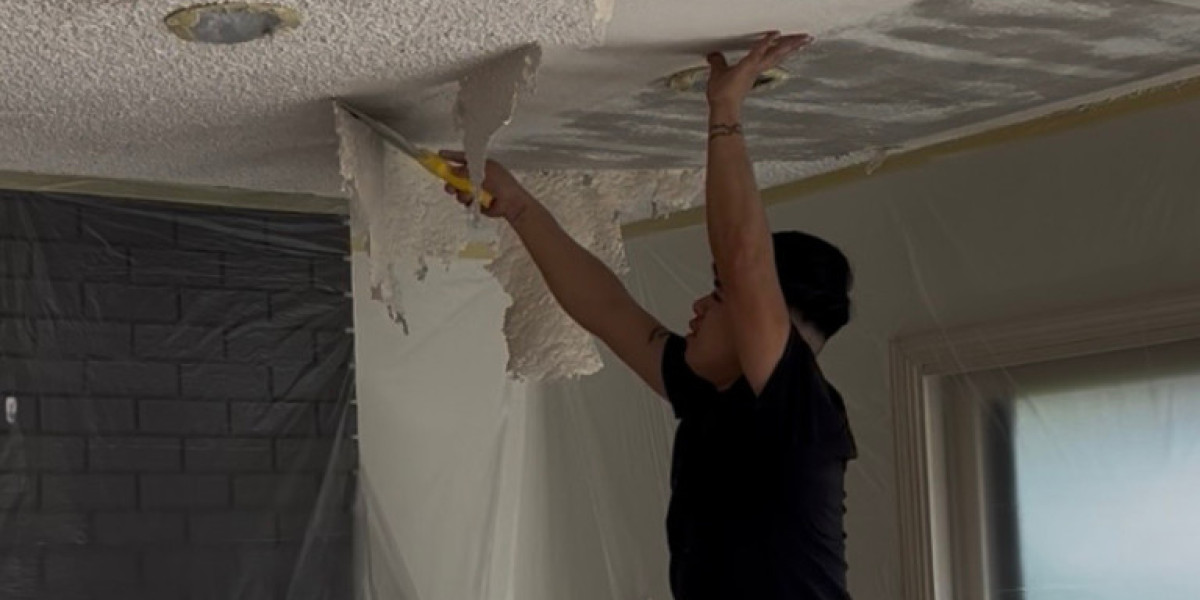

A building inspector plays an important role in evaluating the condition, safety, and quality of residential and commercial properties. Whether you are purchasing a new home, investing in real estate, managing a rental property, or preparing a newly constructed building for handover, a qualified building inspector can help you understand the property's actual condition.
A property may look attractive during a viewing, but its appearance does not always reflect the quality of its construction. Problems involving plumbing, electrical installations, waterproofing, structural components, ventilation, and finishing work can remain unnoticed until they cause damage or require expensive repairs.
A professional building inspector examines accessible parts of a property, identifies visible defects, and documents findings in a clear inspection report. This information helps property owners, buyers, landlords, and investors make informed decisions about repairs, maintenance, and property purchases.
In Dubai, where residential developments, commercial buildings, and investment properties are an important part of the real estate market, building inspection services can provide valuable insight into construction quality and property maintenance. Understanding what a building inspector does can help you choose the right professional for your needs.
What Is a Building Inspector?
A building inspector is a professional who examines a building to assess its visible condition, construction quality, safety-related concerns, and compliance with applicable requirements within the agreed inspection scope.
Building inspectors may work with homeowners, property buyers, real estate investors, landlords, developers, contractors, or property management companies. Their responsibilities depend on their qualifications, experience, and the type of inspection they perform.
Some inspectors focus on newly constructed properties and identify finishing defects before handover. Others assess existing buildings to identify maintenance concerns, deterioration, water damage, or potential safety issues.
Depending on the inspection service, a building inspector may examine walls, ceilings, floors, doors, windows, plumbing fixtures, electrical fittings, drainage, ventilation, and accessible structural components.
The inspector records relevant observations and explains which issues may require repair, maintenance, or additional specialist investigation.
It is important to understand that a general building inspection does not automatically include every specialist assessment. Structural engineering, detailed electrical testing, concealed plumbing investigations, and other technical services may require appropriately qualified professionals.
What Does a Building Inspector Do?
A building inspector performs a systematic assessment of a property's accessible areas and components. The exact duties depend on the property's condition, construction type, age, and the purpose of the inspection.
Evaluates Structural Condition
Structural condition is a major consideration when assessing a building. Inspectors look for visible signs of cracking, movement, deterioration, deformation, and damage to accessible structural elements.
They may examine walls, columns, beams, and other components where access is available. Unusual cracks, recurring damage, or signs of movement may indicate a need for further investigation.
Not every crack represents a serious structural problem. However, significant or changing cracks should be assessed by a qualified structural engineer when necessary.
A building inspector helps identify warning signs and communicate concerns so that property owners can arrange suitable professional advice.
Checks Electrical Installations
Electrical systems should function safely and reliably. During an inspection, accessible switches, sockets, fittings, and visible wiring may be checked for signs of damage, poor installation, or other apparent concerns.
An inspector may identify exposed wiring, loose fittings, damaged accessories, or conditions that require further assessment.
Specialist electrical testing may be necessary to verify the performance and safety of the installation. Inspectors should only undertake testing within their qualifications and the agreed scope of work.
Examines Plumbing and Drainage
Plumbing defects can cause water damage, unpleasant odours, and disruption to everyday activities. A building inspector may examine accessible pipes, taps, toilets, sinks, drainage outlets, and visible connections.
The inspection can help identify leaks, damaged fixtures, corrosion, blocked drainage, and moisture marks around plumbing installations.
In bathrooms and kitchens, the inspector may also look for deteriorated sealant and signs of water penetration around wet areas.
When the source of a leak is unclear, additional testing may be needed to identify the underlying cause and determine the appropriate repair.
Assesses Walls, Ceilings, and Flooring
Finishing defects can affect a property's appearance, comfort, and usability. Inspectors examine accessible walls, ceilings, and floors for cracks, uneven surfaces, damaged tiles, loose flooring, peeling paint, and visible moisture stains.
They may also assess plastering, skirting, joints, and other finishing details.
For newly completed properties, this assessment is particularly useful because it helps identify incomplete work or workmanship problems before the owner accepts the property.
Reviews Doors and Windows
Doors and windows should open, close, and lock properly. They should also provide suitable protection against weather exposure and unwanted air or moisture entry.
A building inspector may check accessible frames, hinges, locks, handles, seals, and glazing for visible defects.
Misaligned doors, damaged window seals, loose fittings, and gaps around frames can affect convenience, comfort, and energy efficiency.
Identifying these problems helps property owners arrange repairs before minor defects lead to additional deterioration.
Checks Waterproofing and Moisture Problems
Waterproofing is particularly important in bathrooms, kitchens, balconies, terraces, roofs, and other areas exposed to moisture.
Inspectors look for visible dampness, peeling paint, damaged sealant, water stains, and signs of moisture penetration. These conditions may result from plumbing leaks, waterproofing failure, condensation, or other causes.
In Dubai, effective moisture protection is important for maintaining property condition and preventing avoidable deterioration.
A building inspector can document visible warning signs and recommend further investigation where required. Correcting the source of moisture is essential because cosmetic repairs alone may not resolve the underlying problem.
Why Should You Hire a Professional Building Inspector?
Make Informed Property Decisions
Buying property involves significant financial responsibility. A professional inspection gives buyers a better understanding of the building's visible condition before they complete a purchase.
The findings may help buyers evaluate potential repair costs, discuss defects with the seller, or decide whether further investigation is necessary.
An inspection cannot guarantee that a property is free from every defect, but it can reduce uncertainty and support a more informed decision.
Identify Defects Before Handover
New properties may contain incomplete finishing work, poorly fitted fixtures, damaged surfaces, or installation problems.
A building inspector can document these concerns before handover so that the responsible contractor or developer can review them.
This process is closely related to property snagging, which focuses on identifying defects and incomplete work in newly constructed or recently renovated properties.
A follow-up inspection may help confirm whether reported issues have been corrected.
Reduce Unexpected Repair Expenses
Minor defects can become expensive when they remain unresolved. A leaking pipe, damaged sealant, or drainage problem may eventually cause damage to walls, ceilings, flooring, or surrounding materials.
A building inspector helps identify visible problems and maintenance concerns before they become more difficult to manage.
Early identification does not eliminate every repair expense, but it allows owners to prioritise work and plan their maintenance budgets more effectively.
Improve Property Maintenance
Property maintenance involves more than responding to visible damage. Regular assessments can help owners identify deterioration, plan repairs, and maintain important building components.
For landlords and property managers, inspections may help identify defects between tenancies. For homeowners, they can support preventive maintenance and improve awareness of the property's condition.
A suitable maintenance plan depends on the building's age, use, condition, and exposure to environmental factors.
Building Inspector Services for Different Properties
Residential Property Inspection
Residential inspections focus on the condition of houses, apartments, villas, and other homes. Inspectors may examine accessible rooms, bathrooms, kitchens, doors, windows, flooring, visible plumbing, electrical fittings, and ventilation systems.
These inspections are useful for buyers, homeowners, landlords, and people preparing a property for sale or rental.
Commercial Building Inspection
Commercial buildings may contain offices, retail spaces, service areas, shared facilities, and more complex building systems.
A commercial inspection may assess accessible components and identify visible maintenance concerns that could affect the building's use.
The inspection scope should reflect the property's intended use and any specialist requirements. Some commercial properties require separate assessments for fire safety, electrical systems, mechanical equipment, or structural performance.
New Construction Inspection
New construction inspections help identify visible defects before a property is handed over to its owner.
The inspector may review finishing quality, fixtures, doors, windows, plumbing, ventilation, and other accessible components.
A detailed report can help the owner communicate defects to the responsible parties and keep track of corrective work.
Existing Property Inspection
Existing properties can develop defects through normal use, environmental exposure, poor maintenance, or previous renovation work.
An inspector may identify deteriorating sealant, damaged surfaces, water leakage, ventilation concerns, or signs of movement.
These findings help owners understand the property's condition and determine which repairs should receive attention.
How to Choose the Right Building Inspector
Choosing a suitable professional is important because the inspection report will influence your understanding of the property's condition.
Verify Qualifications and Experience
Look for an inspector with relevant training, practical experience, and knowledge of local building practices. Ask about their experience with the type of property you need inspected.
Where a specialist assessment is necessary, confirm that the professional has the appropriate qualifications and authorisation.
Understand the Inspection Scope
Before booking a service, clarify which areas and systems will be examined. Ask whether the service includes photographs, a written report, defect descriptions, and recommendations.
You should also understand any limitations involving concealed areas, inaccessible installations, specialist testing, and excluded components.
Review the Reporting Process
A useful inspection report should explain the findings in clear language and identify where each defect was observed.
Photographs can help owners and contractors understand the problem and locate the affected area.
The report should also explain when a defect requires further investigation by a specialist rather than presenting an uncertain observation as a confirmed diagnosis.
Compare Professional Services
When comparing inspectors, consider experience, communication, inspection methods, report quality, and the clarity of the service quotation.
The lowest price may not provide the most appropriate level of assessment. Choose a service that matches your property type and inspection requirements.
Building Inspection in Dubai
Dubai's property market includes apartments, villas, residential communities, office buildings, and commercial developments. Each property type can have different inspection requirements depending on its construction, age, maintenance history, and intended use.
A building inspector working in Dubai should understand the relevant local construction practices and the importance of assessing accessible building systems.
Hot weather and extensive air conditioning use can make ventilation, condensation management, drainage, and maintenance particularly relevant. Moisture-related defects may also develop around bathrooms, kitchens, balconies, windows, and plumbing installations.
Property buyers should consider arranging an inspection before handover or purchase where practical. Existing property owners can also benefit from periodic assessments that help identify defects and plan repairs.
Before hiring a provider, confirm the service scope, qualifications, reporting arrangements, and whether additional specialist testing may be required.
Frequently Asked Questions
What is the main responsibility of a building inspector?
A building inspector examines accessible parts of a property, identifies visible defects, documents relevant concerns, and recommends repairs or further investigation where necessary.
When should I hire a building inspector?
You may hire an inspector before purchasing a property, before accepting a newly constructed home, after renovation work, or when damage suggests a potential building problem.
Can a building inspector identify hidden defects?
An inspector may recognise warning signs of concealed problems, but a standard inspection cannot reveal every defect behind walls, beneath floors, or inside inaccessible systems. Specialist testing may be required.
Is a building inspector different from a property snagging inspector?
The roles can overlap. A building inspector may assess a property's overall visible condition, while a snagging inspector usually focuses on defects, incomplete work, and finishing problems in new or recently renovated properties.
How do I know if a building inspector is qualified?
Review the inspector's training, relevant experience, professional credentials, and suitability for the inspection you need. Specialist concerns should be referred to appropriately qualified professionals.
How long does a building inspection take?
The duration depends on the property's size, complexity, accessibility, condition, and inspection scope. A detailed assessment of a larger building may require more time than a limited residential inspection.
What should a building inspection report include?
A report commonly includes observed defects, their locations, supporting photographs where available, recommendations, and relevant inspection limitations. The precise contents depend on the service agreement.
Is building inspection useful for an old property?
Yes. An inspection can help identify visible deterioration, maintenance concerns, water damage, and signs of possible structural problems. Further specialist assessment may be required for serious defects.
How much does a building inspector charge?
Fees vary according to property size, location, inspection scope, complexity, and the provider's experience. Request a quotation that clearly explains the services included.
Conclusion
A building inspector helps property owners, buyers, investors, and landlords understand the condition and quality of a building. By examining accessible structural components, electrical fittings, plumbing, waterproofing, windows, doors, and finishing work, an inspector can identify visible defects and highlight areas requiring attention.
Professional inspection services are valuable when purchasing a property, preparing a new home for handover, maintaining an existing building, or planning repairs. They provide practical information that supports better decisions and more effective maintenance planning.