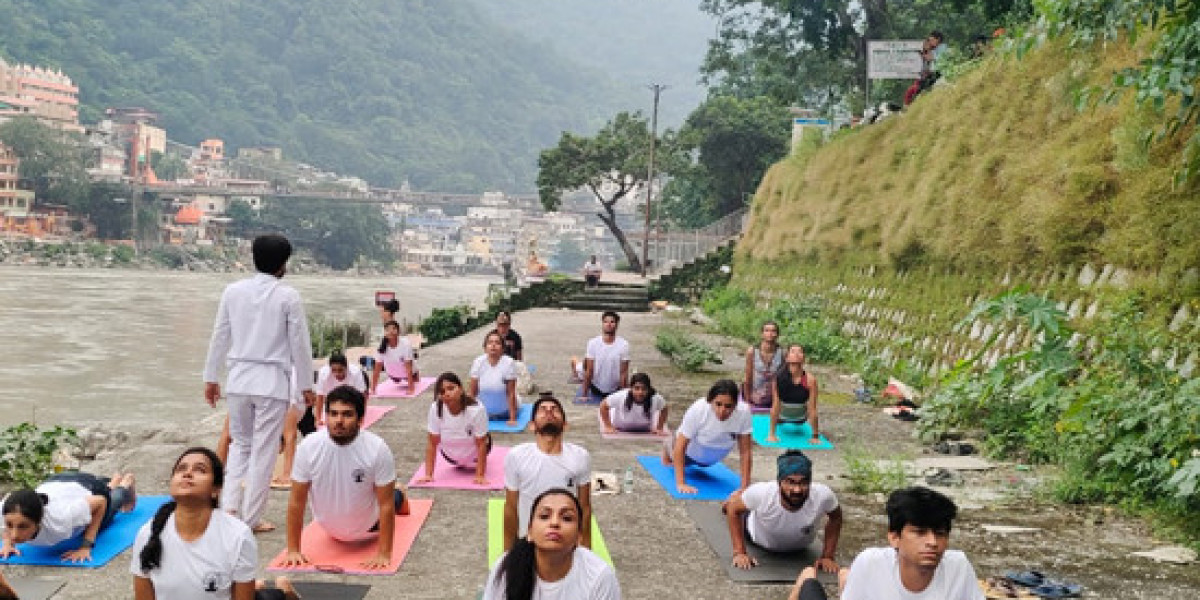

Yoga has become a meaningful part of modern life for people seeking better physical health, mental clarity, emotional balance, and a deeper connection with themselves. While many people begin yoga simply as a personal practice, some eventually develop an interest in understanding it more deeply and sharing it with others. This is where Yoga Teacher Training Course (Yoga TTC) comes into the picture.
For beginners, joining a Yoga TTC can feel exciting but also overwhelming. There are many questions to consider: Do I need to be an advanced yoga practitioner? What will I learn during the course? How physically demanding will it be? Is a Yoga TTC only for people who want to become teachers?
What Is a Yoga TTC?
Yoga TTC stands for Yoga Teacher Training Course. It is a structured program designed to provide students with a deeper understanding of yoga beyond simply performing physical postures.
A typical training may include yoga asanas, pranayama, meditation, anatomy, yoga philosophy, teaching methodology, alignment, class sequencing, and other traditional aspects of yoga. The exact curriculum depends on the school, course duration, and style of yoga being taught.
Do Beginners Need Previous Yoga Experience?
One of the most common concerns among beginners is whether they are experienced enough to join a Yoga TTC. In many beginner-friendly programs, extensive previous experience is not required.
However, this does not mean that students should expect everything to be easy. A teacher training course involves regular practice and theoretical study, so beginners should be prepared to learn consistently.
You do not need to be able to perform advanced poses such as handstands or complicated arm balances before starting. Yoga is not a competition, and flexibility is not the only measure of progress.
Instead of focusing on how advanced your poses look, concentrate on learning correct techniques, understanding your body, and developing awareness.
Choosing the Right Yoga TTC
Selecting the right training program is one of the most important decisions beginners make. Yoga schools can differ significantly in their teaching methods, schedules, curriculum, accommodation, and overall learning environment.
Before enrolling, research the course carefully. Look at the following factors:
Course duration
Yoga styles included in the curriculum
Daily schedule
Subjects covered
Teacher qualifications and experience
Practical teaching sessions
Accommodation and food arrangements
Certification details
Student reviews and testimonials
Location and learning environment
It is also useful to understand whether the program focuses mainly on traditional yoga, modern teaching approaches, a specific yoga style, or a combination of different methods.
Understanding What You Will Study
A Yoga TTC generally goes far beyond practicing asanas. Beginners should be prepared for both practical and theoretical learning.
Yoga Asanas
Asanas are an important part of most Yoga TTC programs. Students learn how to perform postures safely and understand their alignment, modifications, benefits, and limitations.
The objective is not simply to memorize a collection of poses. Students gradually learn how different postures affect the body and how to guide others through them responsibly.
Pranayama
Pranayama refers to traditional yogic breathing practices. During teacher training, students may learn different breathing techniques and explore their relationship with concentration, awareness, and relaxation.
Meditation
Meditation is another common component of Yoga TTC. Beginners may be introduced to different approaches for developing concentration, mindfulness, relaxation, and self-awareness.
Yoga Philosophy
Yoga is more than physical exercise. Traditional yoga includes philosophical teachings concerning awareness, discipline, ethics, and the nature of the mind.
Yoga TTC students may study concepts from classical yoga texts and explore principles such as the Yamas and Niyamas. These teachings can encourage students to reflect on how yoga can be incorporated into everyday life.
Anatomy and Physiology
Basic anatomy is important for anyone who wants to teach yoga safely. Students may learn about muscles, joints, movement patterns, posture, and how the body responds to different yoga practices.
Teaching Methodology
Teaching methodology focuses on the practical skills required to guide a yoga class. Students may learn how to demonstrate postures, give verbal instructions, observe students, offer appropriate modifications, structure sequences, and manage a class.
For beginners, this can initially feel challenging. Speaking in front of a group and giving instructions requires confidence, which develops gradually through practice.
Physical Preparation Before Your TTC
You do not need to transform your body before joining a Yoga TTC. However, developing a consistent practice beforehand can make the transition easier.
Try practicing simple asanas regularly rather than pushing yourself into advanced poses. You can also include gentle stretching, basic pranayama, and short meditation sessions in your routine.
It is equally important to learn how to listen to your body. Feeling mild muscular effort during practice can be normal, but sharp or unusual pain should not be ignored.
A teacher training course may involve several hours of practice and study each day, so building a basic routine before the course can help your body and mind adjust.
Prepare Yourself Mentally
Mental preparation is just as important as physical preparation.
A Yoga TTC can challenge your existing habits and expectations. You may have early mornings, long study sessions, intensive practices, group activities, and assignments. Some days may feel energizing, while others may feel demanding.
Approach the experience with patience.
Instead of expecting immediate perfection, allow yourself to be a beginner. Ask questions when you do not understand something. Accept corrections from instructors and remain open to different perspectives.
A willingness to learn is often more valuable than arriving with an impressive physical practice.
What Should You Pack?
Packing requirements vary depending on the location and school, but comfortable clothing is essential. Choose clothes that allow free movement during practice.
Some useful items may include:
Comfortable yoga clothes
Yoga mat, if the school does not provide one
Light layers for changing temperatures
Personal toiletries
Notebook and pens
Reusable water bottle
Comfortable everyday footwear
Any personal medications or essential items
If your training takes place away from home, check the school's packing recommendations before traveling.