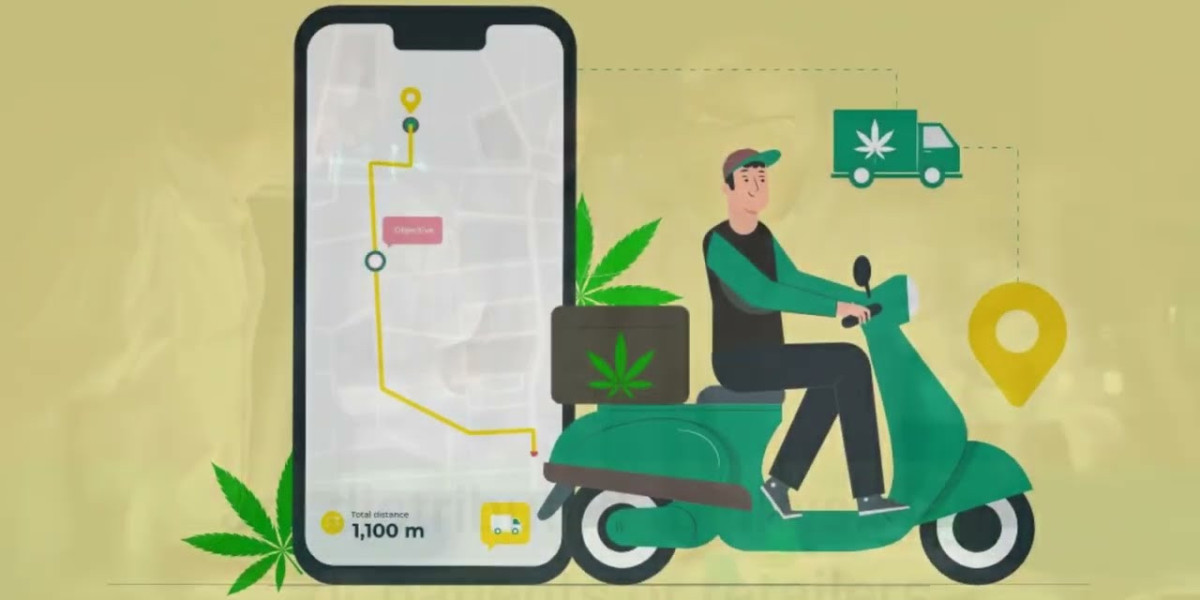

I remember the first time I ordered cannabis delivery instead of driving to a dispensary. I was recovering from a minor surgery, the kind where your doctor says "no driving for two weeks" and means it. I pulled up an app, browsed a menu, and about ninety minutes later a driver dropped off a sealed paper bag on my porch and drove off. The whole thing felt almost anticlimactic. But when the invoice came through, I noticed the total was noticeably higher than the sticker prices I remembered from browsing dispensary menus online. That gap is what got me curious enough to actually dig into where the money goes.
If you've ever looked for discreet weed delivery Sacramento options and wondered why the final total never quite matches the flower price you saw advertised, you're not imagining things. Delivery isn't just "the same product, brought to your door." You're paying for a small logistics operation, a layer of compliance, and whether you realize it or not a fair amount of risk management on the part of the business. Here's an honest breakdown of what's actually baked into that price.
The Product Price Is Only the Starting Point
Menus are designed to catch your eye, and the number next to a strain name is rarely the number you end up paying. That's true at a physical dispensary counter too, but delivery tends to stack a few extra layers on top.
Cultivation and Wholesale Costs
Cannabis is an agricultural product before it's anything else. Growers deal with the same headaches as any farmer pests, humidity, equipment failure, crop loss except they're doing it under a regulatory microscope that most farmers never have to think about. Licensed cultivators pay cultivation taxes, testing fees, and packaging costs before the product ever reaches a retailer's shelf. All of that gets priced into the wholesale rate a delivery company pays to stock its menu.
Retail Markup
Once a delivery service buys a product wholesale, it marks it up to cover its own overhead: rent (yes, delivery-only operations still need a licensed facility), staff, insurance, and software for order management. This markup is usually similar to what a storefront dispensary charges, sometimes a touch higher to offset the cost of running vehicles.
Where Delivery-Specific Costs Come In
This is the part most customers never see itemized, but it's where a real chunk of your money goes.
Licensing and Compliance
In California, and Sacramento specifically, cannabis delivery businesses need state and local licenses, track-and-trace software to log every gram from seed to sale, and regular audits. A single compliance misstep can mean a suspended license, so businesses build in a buffer for legal counsel, compliance staff, and software subscriptions like Metrc reporting tools. None of that is visible on your receipt, but it's absolutely part of your total.
Driver Pay, Insurance, and Vehicle Costs
Unlike a food delivery app where a driver might use their own car and get a small per-trip fee, licensed cannabis delivery drivers typically operate under stricter rules: background checks, GPS-tracked vehicles, cash-handling protocols, and often commercial insurance riders because standard auto policies don't always cover cargo like cannabis. A driver idling in traffic for 40 minutes on a Friday night isn't free, that time gets absorbed into delivery fees and, indirectly, product pricing.
Security and Discretion
A lot of people specifically search for discreet weed delivery Sacramento because they don't want a branded van parked outside their apartment or a driver in a company polo knocking loudly. Unmarked vehicles, plain packaging, and low-key drop-off protocols cost money to maintain. It's a deliberate business decision, not an accident, and it's one of the more overlooked value-adds in the whole transaction. Discretion isn't a marketing gimmick for renters, people in shared housing, or anyone in a profession where appearances matter, it's often the actual reason they choose delivery over walking into a storefront.
Taxes: The Part Nobody Warns You About
If you've never itemized a cannabis receipt line by line, the tax stack can be a genuine surprise.
State Excise Tax
California charges a cannabis excise tax on top of the retail price, currently applied at the point of retail sale. This tax funds state programs and regulatory enforcement, and it's non-negotiable regardless of which delivery service you use.
Local and Sales Tax
On top of the state excise tax, Sacramento applies its own local cannabis business tax, and standard California sales tax also applies to the transaction. Depending on the jurisdiction and order size, taxes alone can add 25–35% to your subtotal. That's often the single biggest reason a $60 menu order turns into an $80 total.
A Real-World Example
A friend of mine, who I'll call Marcus since he'd rather not have his name in an article about his shopping habits, started tracking his orders for a few months after he noticed his monthly cannabis spending crept up without him buying more product. He found that his average order had about 30% of its total coming from taxes and fees combined, not the flowers or edibles themselves. Once he understood that, he stopped comparing "sticker price" between services and started comparing final totals instead, which changed which company he actually used.
That's a useful habit for anyone browsing options. Searching for weed delivery near me will usually surface half a dozen services with wildly different sticker prices, but the real comparison only happens once you get to checkout and see the actual total after taxes and fees.
How to Evaluate a Delivery Service Beyond Price
Check Licensing First
Every legitimate delivery operator in California should have a license number visible on their website or app, and you can verify it against the California Department of Cannabis Control's public license search. This single step filters out unlicensed operators who may cut corners on testing or safety.
Read the Fine Print on Fees
Some services advertise low product prices but tack on delivery fees, service fees, or minimum order requirements that only show up at checkout. Others build everything into the listed price. Neither approach is inherently better, but knowing which one you're dealing with helps you compare apples to apples.
Ask About Testing and Batch Info
Reputable dispensaries and delivery services can show you the lab testing results (often called a Certificate of Analysis) for the specific batch you're buying. If a service can't produce this on request, that's worth treating as a red flag regardless of how good the price looks.
Consider Delivery Windows and Reliability
A slightly higher price from a service with a two-hour delivery window and consistent communication is often worth more than saving a few dollars with a company that gives vague ETAs. Time and predictability have real value, especially if you're ordering for a specific occasion or a medical need.
Why This Matters for Trust, Not Just Price
Understanding the cost breakdown isn't just about saving a few dollars, it's about knowing you're dealing with a legitimate, accountable business. Licensed operators who pay their taxes and maintain compliance are also the ones investing in lab-tested, safely packaged products. The businesses cutting corners on price are frequently the same ones cutting corners on safety, testing, or driver vetting. When you understand what you're actually paying for, a higher total starts to look less like a rip-off and more like the cost of doing this legally and safely.
Frequently Asked Questions
Why is cannabis delivery more expensive than buying at a dispensary?
It usually isn't more expensive for the product itself; the price difference mostly comes from delivery-specific costs like driver pay, vehicle insurance, and sometimes a separate delivery fee. Taxes apply either way, whether you walk into a storefront or order online.
Is discreet delivery actually more private, or is that just marketing?
For most licensed services, it's genuine. Unmarked vehicles, neutral packaging, and drivers trained not to discuss the contents of a delivery in public are standard practice for companies that specifically market discreet service, not just a talking point.
How much of my total is actually tax?
In California, combined state excise tax, local cannabis tax, and standard sales tax can add roughly a quarter to a third of your total, depending on your city and the size of your order.
How do I know if a delivery service is actually licensed?
Look for a license number displayed on the company's website or app, and cross-check it using the California Department of Cannabis Control's public license lookup tool. A legitimate operator will never hesitate to provide this.
Are cheaper delivery services worth the savings?
Sometimes, but it's worth checking why they're cheaper. If it's simply lower overhead or a promotional discount, that's fine. If it's because they're skipping lab testing, using unlicensed drivers, or misreporting taxes, the savings usually aren't worth the risk to your safety or your legal standing as a consumer.
Does tipping matter for cannabis delivery drivers?
Most drivers rely on tips as a meaningful part of their income, similar to other delivery gig work, especially given the extra security and compliance responsibilities they carry compared to a typical food delivery job.